Blog
Bezel vs Prongs: Which Setting Actually Protects Better in Daily US Wear?


When you buy a ring to wear every day, the setting matters as much as the stone. Two common choices are the bezel and the prong. Both keep the gem in place, but they protect the stone in different ways. This article explains how each setting handles knocks, abrasion, and routine wear in real U.S. daily life—commuting, hand-washing, gym work, and jobs that involve tools or gloves. I’ll give specific technical details (mm, alloy, hardness), explain why protection differs, and offer practical recommendations for different lifestyles and stones.
How bezel and prong settings hold a stone
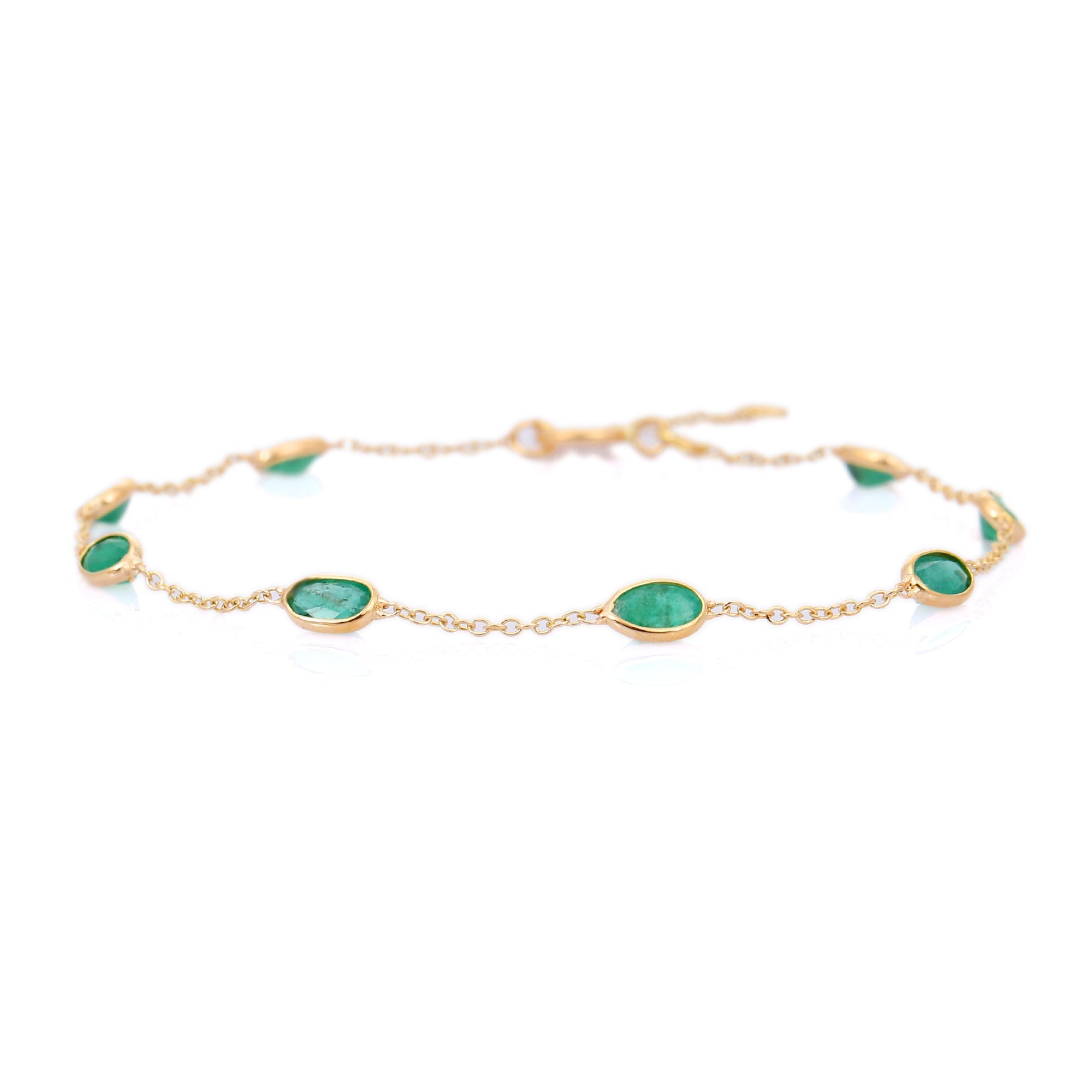
Bezel: A continuous or partial metal rim wraps around the stone’s girdle. Typical rim thickness for everyday rings is about 0.7–1.2 mm. For a 1.0 ct round diamond (≈6.5 mm diameter), a well-made bezel will cover the girdle and a small part of the crown.
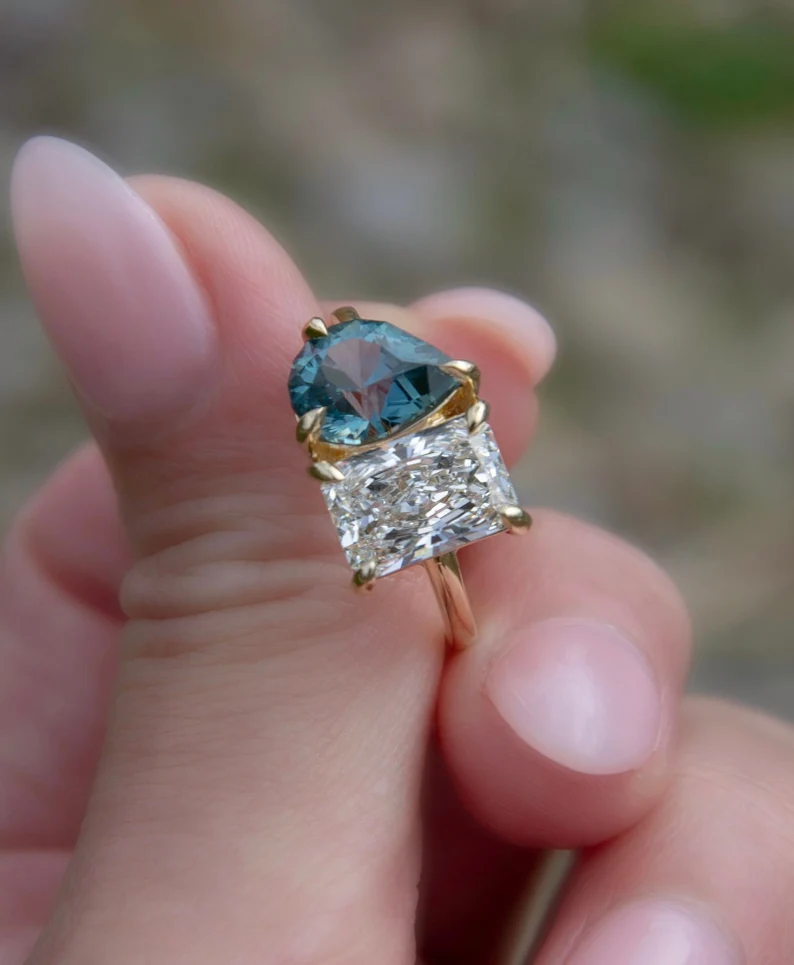
Prongs: Small claws (usually 4 or 6) grip the girdle from above. Prong widths for daily-wear rings commonly range from 0.8–1.5 mm. A typical engagement setting uses 1.1–1.3 mm prongs for a 1.0 ct round diamond.
What “protection” means—three failure modes
- Loose or broken mount: Metal deforms, prong breaks, or bezel thins until the stone becomes unstable.
- Stone chip or fracture: An impact causes a chip to the crown or pavilion, or a brittle stone splits.
- Surface abrasion: Metal contact, grit, or chemicals wear the stone or setting finish over time.
Good protection minimizes all three. Which setting best reduces each risk depends on the stone and the wearer’s routine.
Bezel: how it protects and where it’s weaker
Why it protects: The bezel shields the stone’s girdle and lower crown from lateral blows and snagging. The metal rim spreads impact forces across a wider area, reducing stress concentration at any single point. For stones that chip easily—emeralds (Mohs ~7.5–8 but brittle), opals (~5.5–6.5), turquoise—it’s often the safest choice.
Practical specifics: A 0.9 mm bezel in 14k yellow gold (58.3% gold, alloyed with copper/silver) resists everyday knocks and is harder than a thinner 18k bezel would be. Platinum 950 bezels are slightly softer to scratch but more ductile—meaning they deform rather than fracture, and can be reworked by a jeweler.
Limitations: Bezel settings hide some of the stone’s perimeter. This slightly reduces light entering the stone, so a bezel-set diamond can look less lively than a well-pronged one. Also, a very hard, sharp impact to the crown near the bezel can transfer force inward and cause a chip—possible but less common than prong failure. Over many years, a thin bezel can wear and thin to ~0.4 mm, risking exposure; periodic inspection is still necessary.
Prongs: how they protect and where they fail
Why people choose prongs: Prongs expose more of the crown. That increases sparkle and lets light in. Properly sized prongs (1.0–1.3 mm for a 1 ct diamond) protect the girdle without excessive metal coverage.
Main vulnerabilities: Prongs can catch on fabrics and are prone to bending if snagged. A bent or worn prong may lose grip, and a broken prong can let the stone fall out. Hard wearing jobs—mechanics, certain healthcare roles, construction—increase the odds of snagging and prong damage. Metals matter: 14k gold is harder and resists wearing down better than 18k, while platinum 950 flows under stress and can develop rounded prongs that thin but rarely snap.
Stone damage: A direct lateral blow to the exposed girdle or a prong head struck sharply can nick or chip some stones. Diamonds are very hard (Mohs 10) and resist surface scratches, but their thin girdle areas can chip. Softer stones or brittle stones are at higher risk in prong settings.
Which is better for different stones
- Diamond (Mohs 10): Both settings are fine. Prongs show more brilliance; bezel offers superior snag protection. For active wearers, a low bezel or flush setting reduces risk.
- Sapphire/ruby (Mohs 9): Strong and can handle prongs, but a bezel is good for rough wear.
- Emerald (7.5–8; often included): Bezel recommended. Inclusions make chipping much more likely under impact.
- Opal, turquoise, pearls: Bezel or protective cup is better—these materials are soft and easily damaged in prongs.
Lifestyle examples and practical recommendations
- Office worker / light daily activity: Four- or six-prong setting in 14k or 18k gold is fine. Check prongs every 6–12 months.
- Frequent hand-washing, healthcare: Low-profile bezel or flush setting. Metal rim stops soap and debris from lodging around the girdle and reduces snag risk.
- Gym, outdoors, manual labor: Full bezel or partial bezel (with a low profile) in 14k gold or platinum. Consider a sturdier shank and avoid tall settings.
- Active, wants sparkle: Use prongs but choose robust prong design—double prongs or tucked prongs—plus routine inspection every 3–6 months.
Maintenance, repair, and long-term wear
Prongs: Expect minor retipping or reshaping over years. Typical retip thickness targets 1.0–1.2 mm for daily-wear rings. Retipping costs vary, but the important point is frequency—check annually if worn daily.
Bezels: Rarely need retipping, but thin bezels can wear and require rebuilding. Platinum bezels can be reflowed without losing much mass; 14k bezels may need more metal added if worn.
Cleaning: Ultrasonic cleaners are safe for diamonds and sapphires but not always for emeralds or opals. For fragile stones, use warm soapy water and a soft brush. Inspect settings after cleaning.
Final practical checklist
- Choose a bezel for soft or brittle stones and for any highly active wearer—it minimizes snagging and protects the girdle.
- Choose prongs if brilliance matters and your day is low-risk; use thicker or doubled prongs for extra security.
- Prefer 14k gold or platinum for everyday rings. 14k balances hardness and cost; platinum 950 offers ductility and easier long-term restoration.
- Inspect settings visually every 3–12 months depending on activity. Tighten or retip prongs as soon as movement is noticed.
In short: for maximum physical protection in real daily U.S. scenarios, a well-made bezel wins for most non-diamond or high-impact lifestyles. For everyday sparkle with reasonable care, prongs are fine—just expect and plan for regular inspection and occasional repair. The right choice depends on the stone, the metal, and how rough your daily life is.