Blog
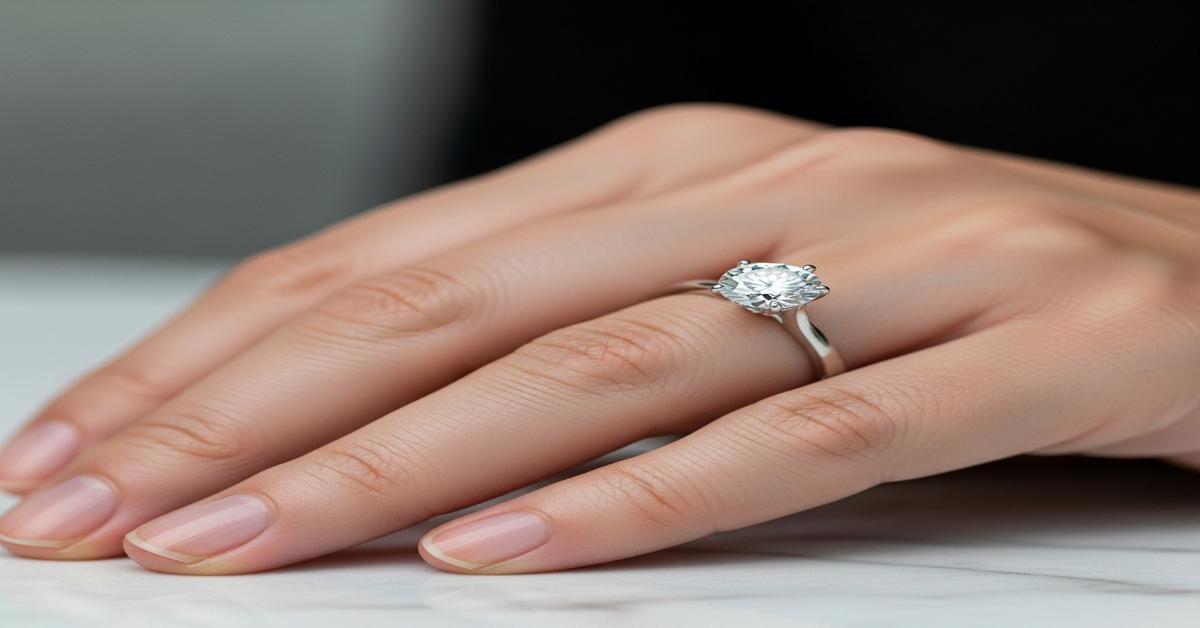
Why Diamonds Look “Bigger” Face-Up Than Their Carat

People often think carat equals size. It doesn’t. Carat measures weight — 1 carat is 200 milligrams — not the visible surface area you ...
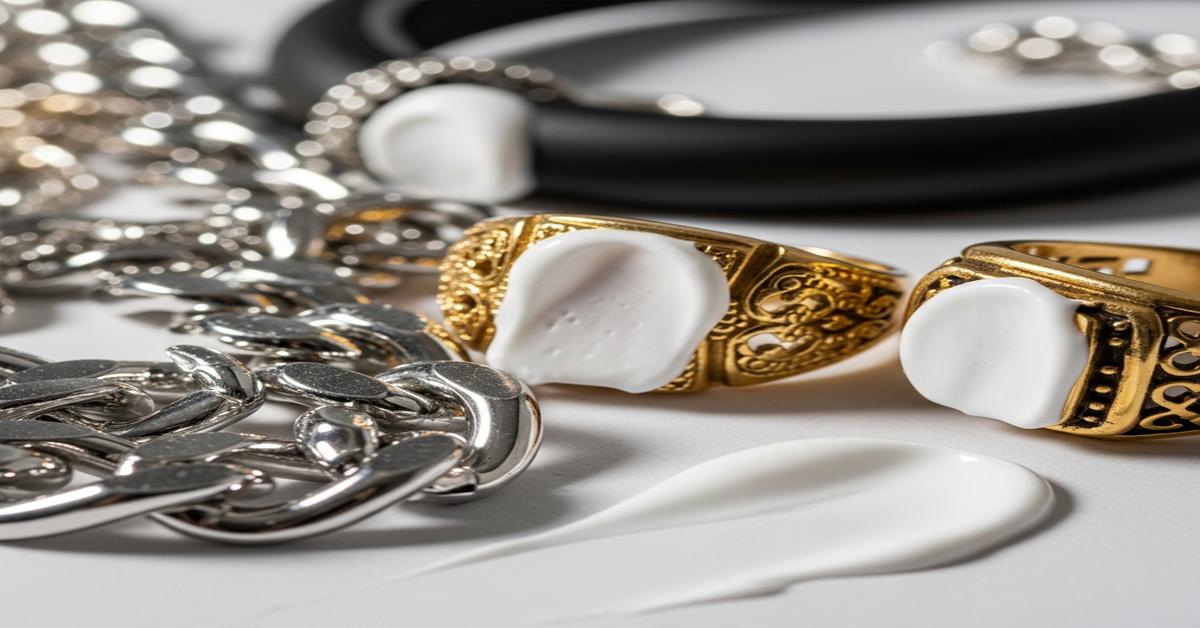
Jewelry and Sunscreen: Which Finishes Hate SPF
Sunscreen protects skin — but it can be rough on jewelry. Oils, silicones, chemical UV filters and mineral particles in SPF lotions can...
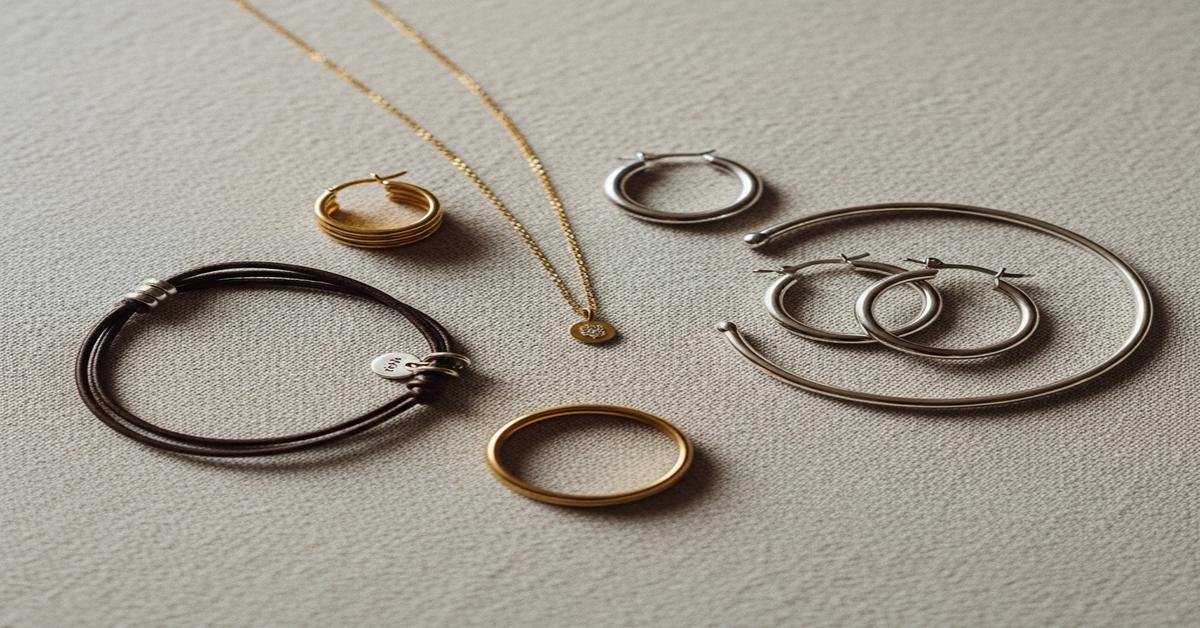
Travel Jewelry Capsule: 6 Pieces, 30 Looks, Zero Regrets
Travel with less jewelry and more confidence. This capsule uses six well-chosen pieces that mix easily, suit different climates and act...
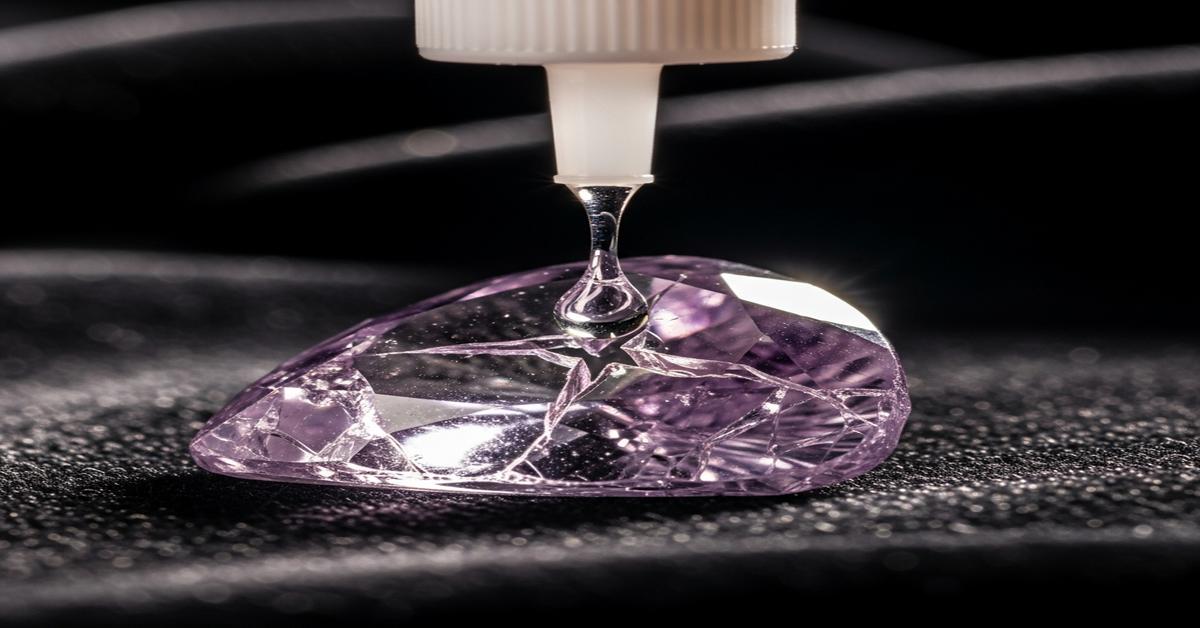
Superglue on a Cracked Gem? The Safer Emergency Move
Superglue (cyanoacrylate) is a tempting fix for a cracked or loose gem. It sets fast and seems to hold pieces in place. But jewelry rep...
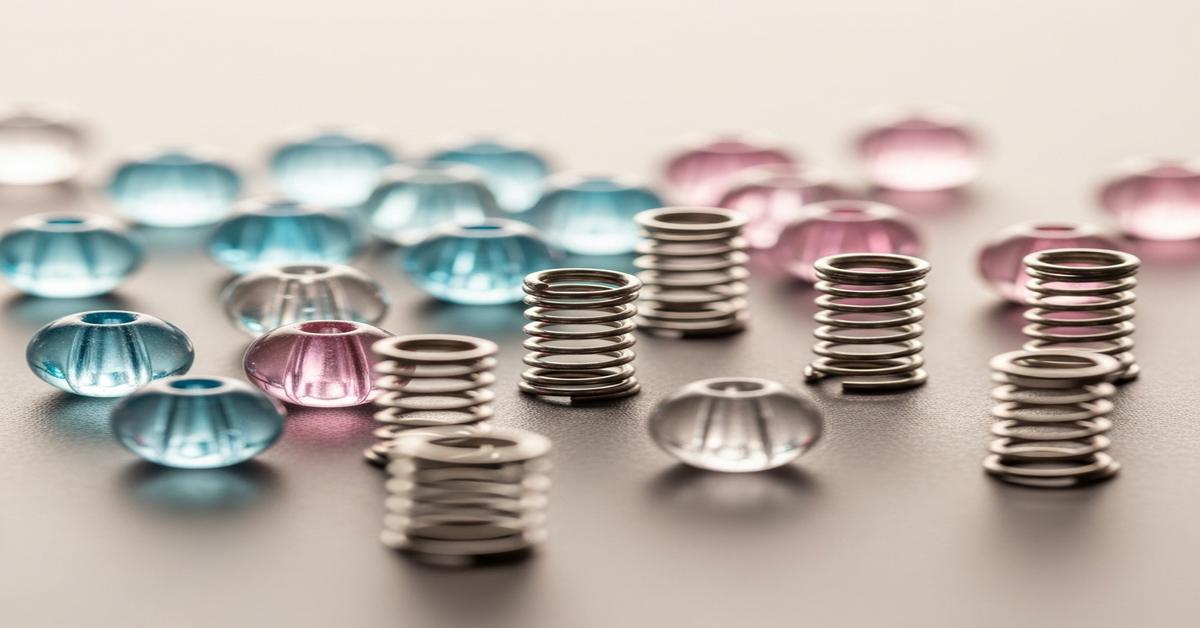
Sizing Beads vs Spring Inserts: The At-Home Fix That Actually Works
Small size problems are common. A ring can slip, turn, or sit too tight at the knuckle. Two simple fixes are sizing beads and spring in...
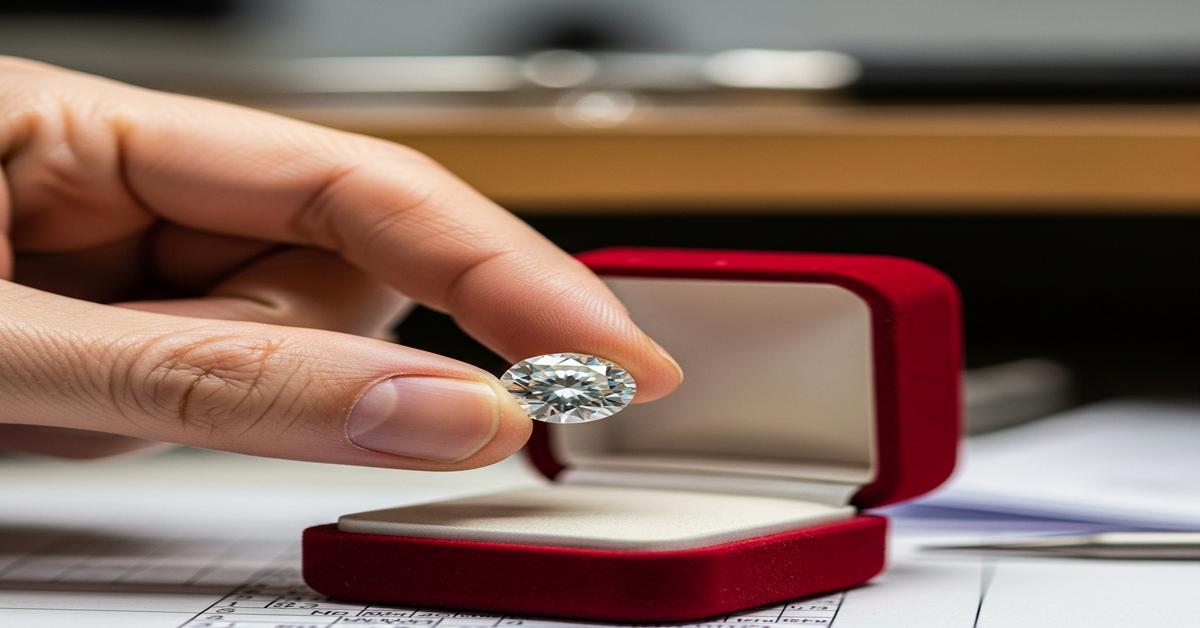
“Not Our Stone” Fears: How to Document Your Diamond Before Drop-Off
Dropping a diamond at a jeweler for repair, resizing, or cleaning brings up a common fear: “What if they return a different stone?” You...

Loose Stone Policy: What US Stores Will—and Won’t—Fix for Free
Loose stones are a common service request in jewelry stores. What a store will fix for free depends on three things: the cause (manufac...
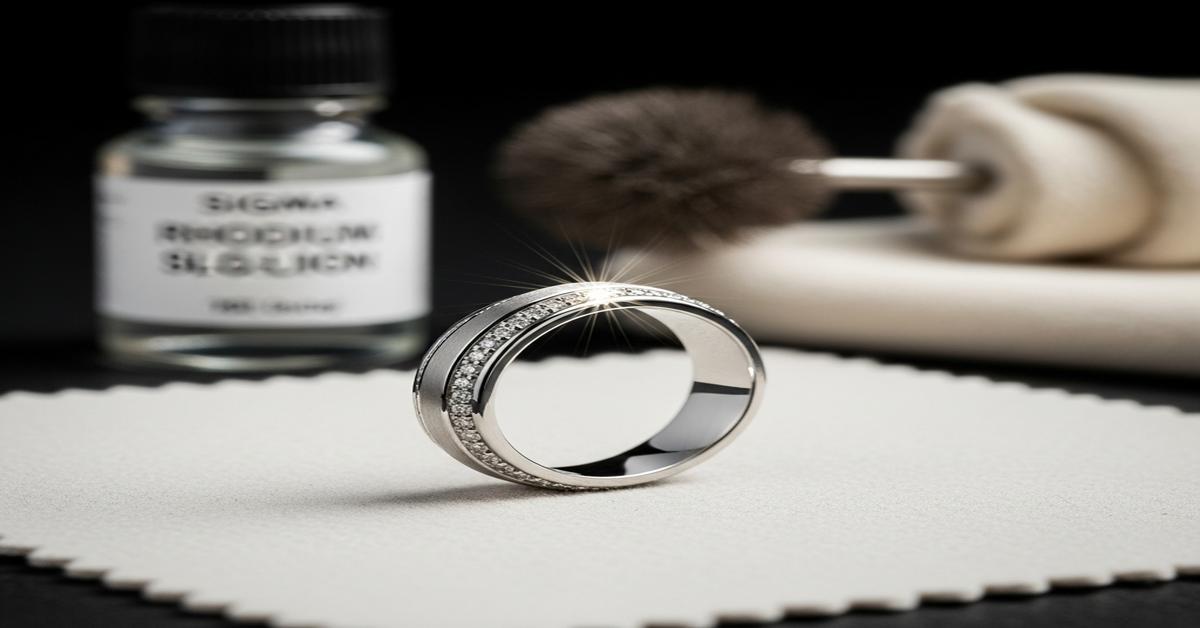
Maintenance Schedules: How Often Should You Re-Rhodium in America?
Rhodium plating gives white gold and other jewelry a bright, reflective finish and helps hide the slight yellow cast of gold alloys. Bu...
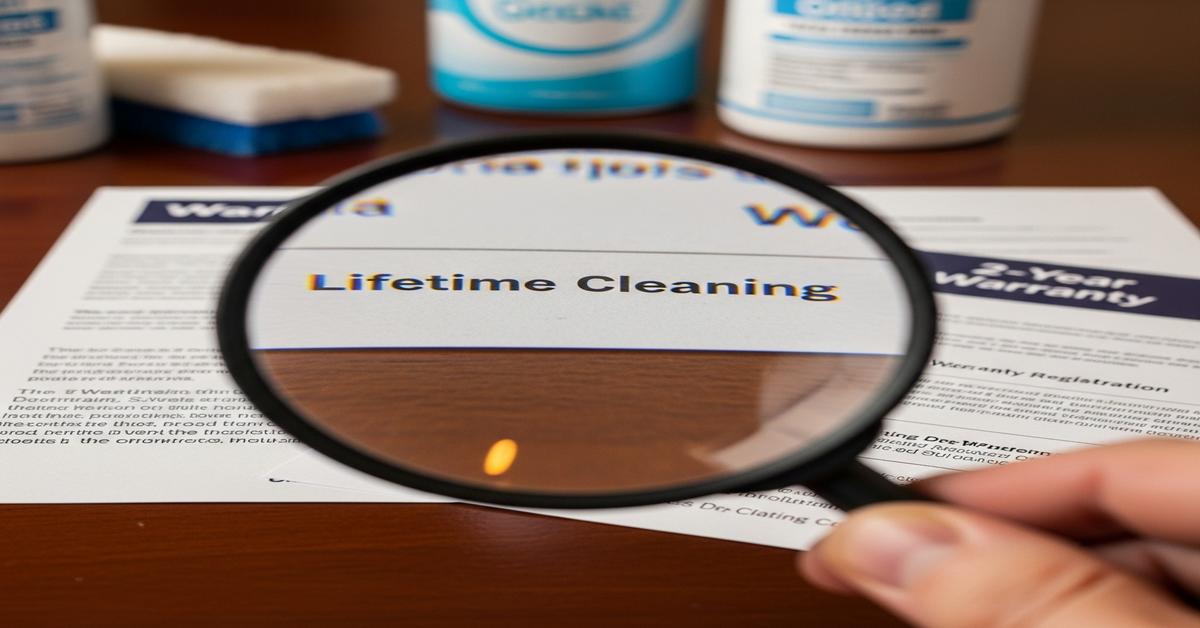
Lifetime Cleaning vs 2-Year Warranty: Which Protects You More in the US?
When you buy jewelry in the US you’ll see offers like “lifetime cleaning” and “2‑year warranty.” They sound similar but protect very di...
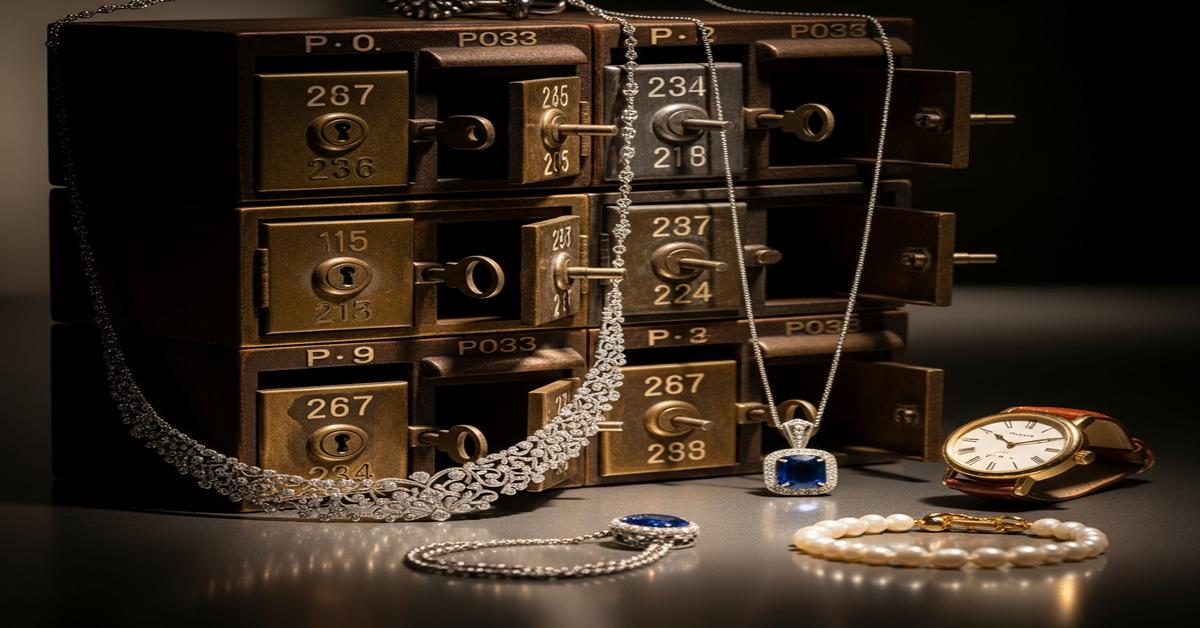
P.O. Boxes and Fine Jewelry: What US Carriers Allow (and Don’t)
Buying, selling, or shipping fine jewelry through a P.O. Box raises practical and insurance issues that many people don’t expect. This ...