Blog
Montana Sapphires: Are US Boutique Prices Worth the Romance?

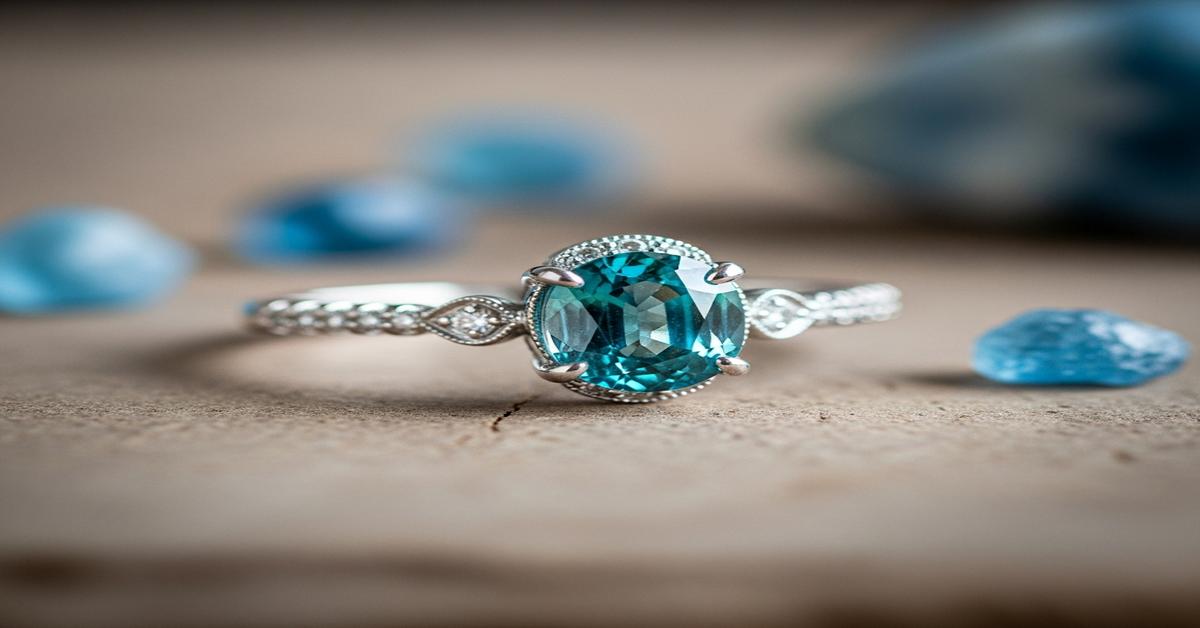
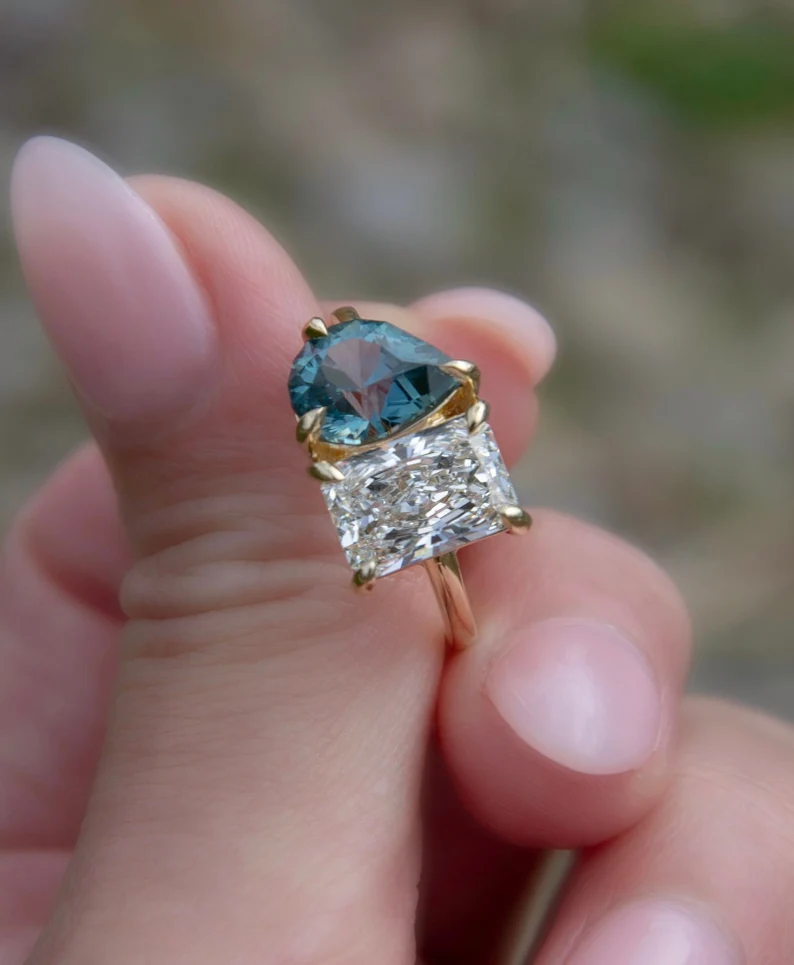
Montana sapphires have a strong romantic appeal: they come from American soil, often show unusual teal and cornflower-blue colors, and can be marketed as locally sourced and untreated. The question many buyers ask is simple: are the higher prices at U.S. boutiques worth that romance? Below I break down the real value drivers — color, rarity, treatment, certification, craftsmanship, and after-sale services — so you can decide when a boutique purchase makes sense.
What makes a Montana sapphire special?
Montana sapphires are a geographic group rather than a single “type” of sapphire. Mines around Philipsburg, Helena, and the Yogo Gulch each produce different looks:
- Yogo sapphires — small pockets, saturated cornflower-blue, often very clean. They are rare and fetch premiums because they frequently need no heat treatment.
- Philipsburg and Western Montana — wide color range: teal, mint green, violet-blue, parti-color. More material available but high-quality, large stones are uncommon.
- Helena area — pastel blues and greens, attractive for unique engagement rings but generally lower saturation than Yogo stones.
Why color and origin matter: color saturation and hue strongly determine value. Montana material often shows colors not commonly found in Sri Lankan or Burmese material — that uniqueness drives collector interest and higher prices for the right stones.
Treatments and why they change value
Heat treatment is standard in the sapphire trade. It stabilizes and improves color and clarity. Most Montana sapphires seen at retail are heat-treated. Untreated Montana sapphires — especially clean Yogos — command higher prices because untreated stones with desirable color are rarer.
Other treatments, like lattice diffusion (using beryllium), are less common but can dramatically and artificially alter color. When buying, ask specifically whether the stone was: heated only, diffused, or untreated. Heat-only is widely accepted and stable; diffusion should be priced much lower and disclosed clearly.
Price expectations — rough ranges and examples
Prices vary a lot by color, clarity, size, and treatment:
- Small, commercial Montana sapphires (0.3–1.0 ct), mixed color, heat-treated: roughly $50–$400 per carat. Why: common material, lower saturation, easier supply.
- Good quality Montana sapphires (≈1 ct, vivid teal/cornflower, heat-treated): roughly $400–$1,500 per carat. Why: stronger color and better clarity increase demand.
- Yogo sapphires and top untreated Montana stones (clean, saturated, 0.5–2 ct): typically $2,000–$10,000+ per carat. Why: true Yogo color and lack of treatment are rare and historically desirable.
Example: a 1.0 ct Montana sapphire with vivid cornflower-blue and no heat-treatment might command $3,000–$6,000 at retail because collectors prize the origin and untreated status.
What you pay for at a U.S. boutique
Boutiques charge more than online or wholesale sellers for several measurable reasons:
- Lab reports and provenance: boutiques often include GIA or American Gemological Labs reports proving identity and treatment. Verification costs money but reduces risk.
- Design and craftsmanship: custom settings, fine hand-finishing, and local benchwork (e.g., platinum bezels, hand-engraved shoulders) increase labor costs.
- Business overhead and warranties: small retailers have higher per-item overhead and offer services like lifetime cleaning, re-polishing, or resizing.
- Ethical sourcing claims: packaging, traceability checks, and higher standards for responsible sourcing add cost but appeal to values-driven buyers.
Why that might be worth it: if you value in-person inspection, certified untreated stones, bespoke design, and a local jeweler who will service the ring for decades, the premium can be justified.
When you might be overpaying
There are clear situations where boutique premiums are less justified:
- The stone is heat-treated with no special color or clarity. You can likely find comparable material online or from wholesalers at lower per-carat prices.
- Large markups for branding alone. If a retailer cannot show lab reports or detailed provenance, you’re paying for packaging, not substance.
- Buying sight-unseen without independent certification. Unless you get a trusted lab report, origin and treatment claims are harder to verify.
Practical buying checklist
- Ask for a lab report: GIA or other reputable labs that list treatment status and any origin notes. Lab reports lower resale risk.
- Compare per-carat prices: take two or three quotes for similar color, size, and treatment level to benchmark value.
- Inspect in person: color shifts under daylight vs. incandescent light. Montana sapphires often show different tones in different light — make sure you like both.
- Request inclusion photos: inclusions tell a gemologist a lot about origin and treatment history.
- Negotiate design costs: buy the stone alone and have a trusted local bench set it if the boutique labor charge feels inflated.
- Consider metal and setting: choose 14K (58.3% Au) for durability and cost savings, or 18K (75% Au)/Pt950 for a brighter color contrast. Use bezels or low-profile prongs for protection; sapphires are 9 on the Mohs scale but still chip at the girdle.
Bottom line
If what you value most is verified origin, untreated gems, personalized design, and long-term service, boutique prices can be worth the romance. You pay for certainty, convenience, and craftsmanship. If your priority is maximum carat weight or lowest per-carat price for a heat-treated stone, you’ll often get better value buying outside boutique retail — provided you insist on reputable certification and a trustworthy return policy.
Buy smart: get a lab report, compare offers, and decide whether the boutique’s extras match the premium you’re being asked to pay. That way you keep both the romance and the rational case for your purchase.