Blog
Mother’s Day Birthstone Designs That Don’t Look Like 1998

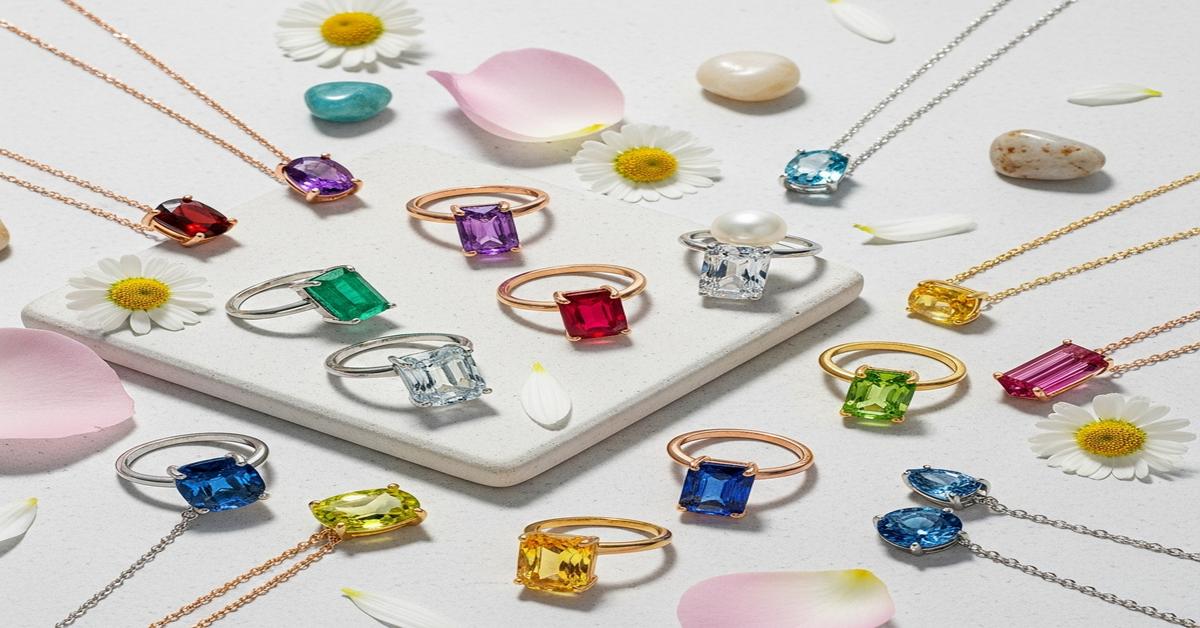
Mother’s Day birthstone jewelry can quickly look stuck in the late ’90s: oversized heart charms, gaudy dangling clusters, and busy pendants that read as costume rather than keepsake. A modern approach keeps the sentiment but updates scale, setting and metal choices so the piece feels current, wearable and made to last. Below are practical ideas, materials advice and styling tips that help you choose or commission a birthstone design that a mom will wear every day—not hide in a jewelry box.
Design principles to avoid the dated look
- Simplify the silhouette. Smaller, cleaner shapes read modern. A single 4–6 mm bezel-set stone on a thin chain looks purposeful; a huge dangling cluster does not. Why: today’s style favors minimalism and versatility, which means pieces layer well with other jewelry.
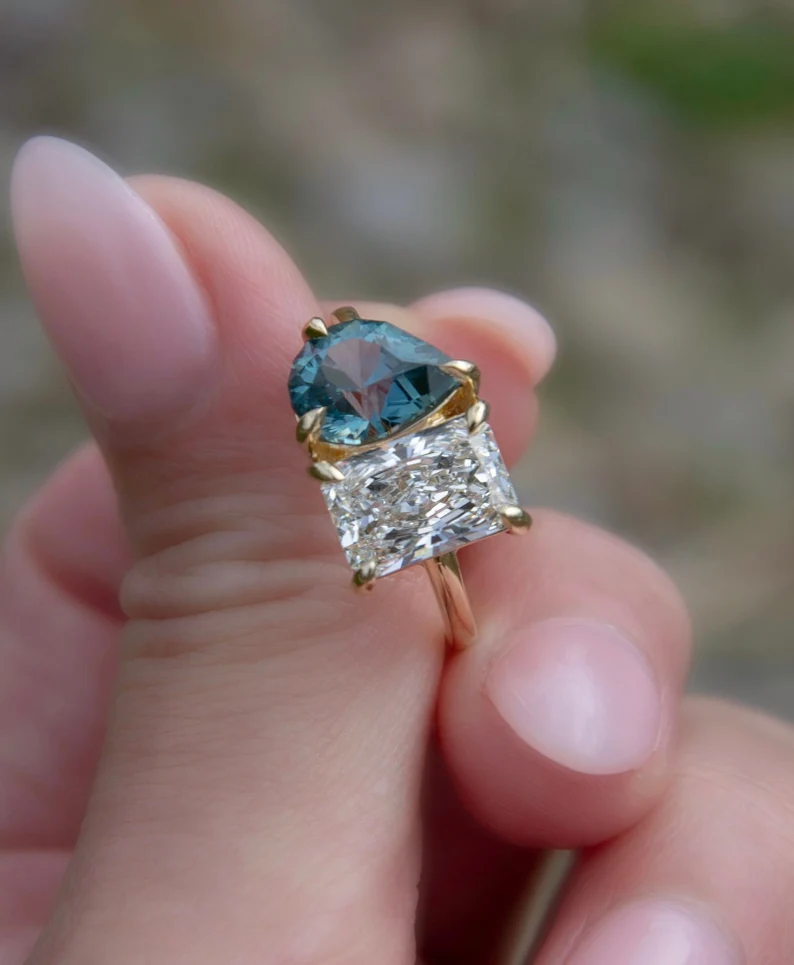
- Favor negative space and asymmetry. An off-center stone or a slim bar with stones at one end feels contemporary. Why: negative space makes the design visually interesting without ornament overload.
- Choose restrained color combinations. Limit to two tones or a tonal family (e.g., pink sapphire + rose gold) rather than clashing multicolors. Why: it reads as intentional and coordinate with more wardrobes.
- Think about scale for everyday wear. Wearable stones are typically 0.10–0.50 ct each (about 3–5 mm) for rings and necklaces. Larger sizes can become impractical or look gimmicky.
Modern birthstone styles with concrete examples
- Bezel solitaire pendant: A 5 mm round birthstone (about 0.45 ct for many gems) set in a low-profile 14k gold bezel hung on a 1 mm chain. Why it works: bezel protects the stone and sits close to the collarbone — perfect for active moms.
- Horizontal bar necklace with flush-set stones: A 30–40 mm bar in 14k white or yellow gold with 2–3 flush-set stones (2.5–3 mm, ~0.06–0.10 ct each) placed asymmetrically. Why it works: sleek, customizable for multiple children, and flat against clothing.
- Stacking birthstone bands: Thin 2–3 mm bands in 14k gold with a 2.5–3 mm bezel or flush-set gem. Buy separate bands to stack or wear alone. Why: flexible and modern—mom can add years and mix metals.
- Offset cluster ring: Three small stones (3 mm each) set in an off-center cluster on a 1.5–2 mm band. Why it works: offers personality without the bulky “mood ring” feel; clusters are compact and contemporary.
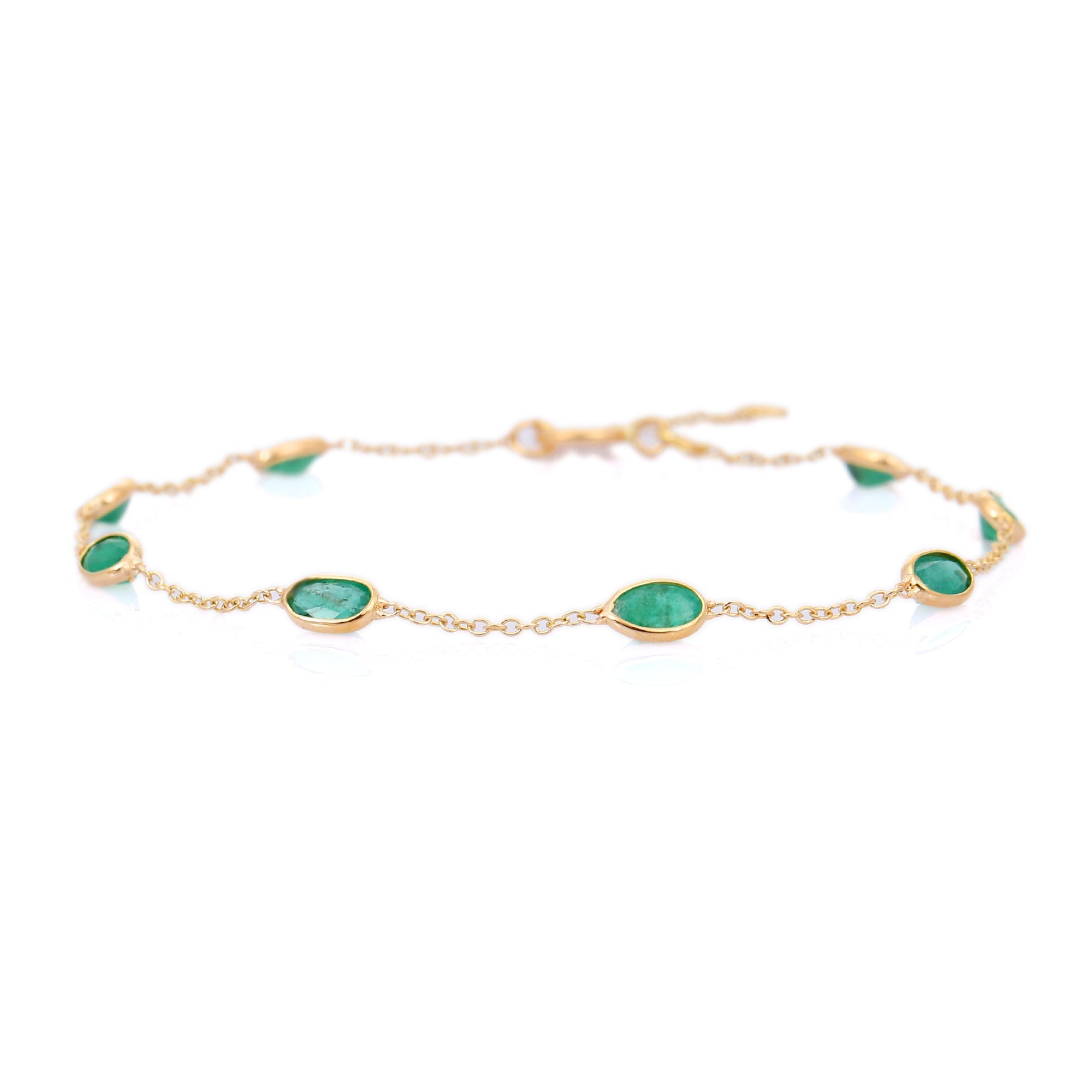
- Station necklace with mixed sizes: Five subtle stations along a 16–18″ chain using 2 mm, 3 mm, and 4 mm stones in a graduated layout. Why: feels intentional, like a curated collection rather than a dated charm bracelet.
- Hidden birthstone locket: A thin disc (10–14 mm) that opens to reveal a small cabochon or pearl. Keep exterior plain and modern; the “secret” stone keeps sentimental value without visible kitsch.
Metal and setting choices that age well
- 14k gold (58.3% Au) vs 18k (75% Au): 14k is harder and better for daily wear; 18k has richer color but scratches more easily. For rings and everyday pieces, 14k is a sensible default.
- Platinum and palladium: Use for people with sensitive skin and for high-value stones. Platinum is dense and durable; expect higher cost and slight patina over time.
- Sterling silver (925) and vermeil: Good for budget or casual pieces. Choose vermeil (thicker gold plating over silver) if you want a gold appearance without the price, but expect replating over years.
- Bezel and flush settings: These protect gems and create a sleek profile. Prongs are fine for diamonds and sapphires but raise the risk of snags on active wearers.
Which stones to pick — cuts, sizes and durability
- Durability matters. Use Mohs hardness as a guide: diamonds (10), sapphires/rubies (9) and spinel (8) are great for rings. Peridot (6.5–7), opal (5.5–6.5) and pearl (2.5–4.5) need gentle use and protective settings.
- Size guidance: For rings select 3–5 mm stones (≈0.10–0.50 ct). For pendants 4–6 mm looks substantial without being heavy. For bracelets and bands use 1.5–3 mm melee stones.
- Cuts: Rose cut and flat-profile cabs sit low and resist knocks, good for active hands. Brilliant cuts show sparkle but project more and can catch. Step cuts (emerald) emphasize color but can reveal inclusions.
Care and realistic lifespan
- Daily wear prep: Avoid swimming pools and household cleaners. Chlorine damages some alloys and can weaken settings over time.
- Cleaning: Warm water, mild detergent and a soft brush for most stones. Avoid ultrasonic cleaners for pearls, opals and heavily included stones.
- Inspection: Have prongs and settings checked annually for pieces worn daily. Bezel and flush settings still need solder and shank inspections.
How to personalize without tipping into kitsch
- Limit the elements. Pick one or two personal touches—stone, engraving, and an intentional metal—rather than all possible options.
- Use scale to communicate meaning. A 3 mm stone per child in a thin band or on a bar reads as thoughtful; a row of oversized stones reads like gift-shop fare.
- Consider mixed metals. A yellow gold pendant with a white-gold bale or a rose-gold accent modernizes a piece and helps it match other jewelry.
- Engrave sparingly. A short name, date, or coordinates on the back is timeless. Avoid long phrases or slogans.
Choosing a modern birthstone piece is about proportion, protection and thoughtful restraint. Focus on a clean silhouette, protective settings like bezels for everyday wear, and sizes that balance visibility with practicality (3–5 mm for most stones). With these guidelines you’ll get a meaningful Mother’s Day gift that looks contemporary now and will still feel special years from now.