Blog
Paraíba vs “Paraíba-Like”: How US Sellers Stretch a Blue


Paraíba tourmaline is one of the most talked-about gems in the market. Its neon blue-to-green color is striking and rare. But over the past two decades the name “Paraíba” has been stretched. Sellers in the US and elsewhere now use labels such as “Paraíba-like,” “Paraíba color,” or “neon tourmaline” for stones that are not original Paraíba localities. This article explains what the real thing is, how the term gets stretched, and exactly what a buyer should ask for to avoid paying Paraíba prices for a Paraíba-like stone.
What a true Paraíba tourmaline is — and why it’s rare
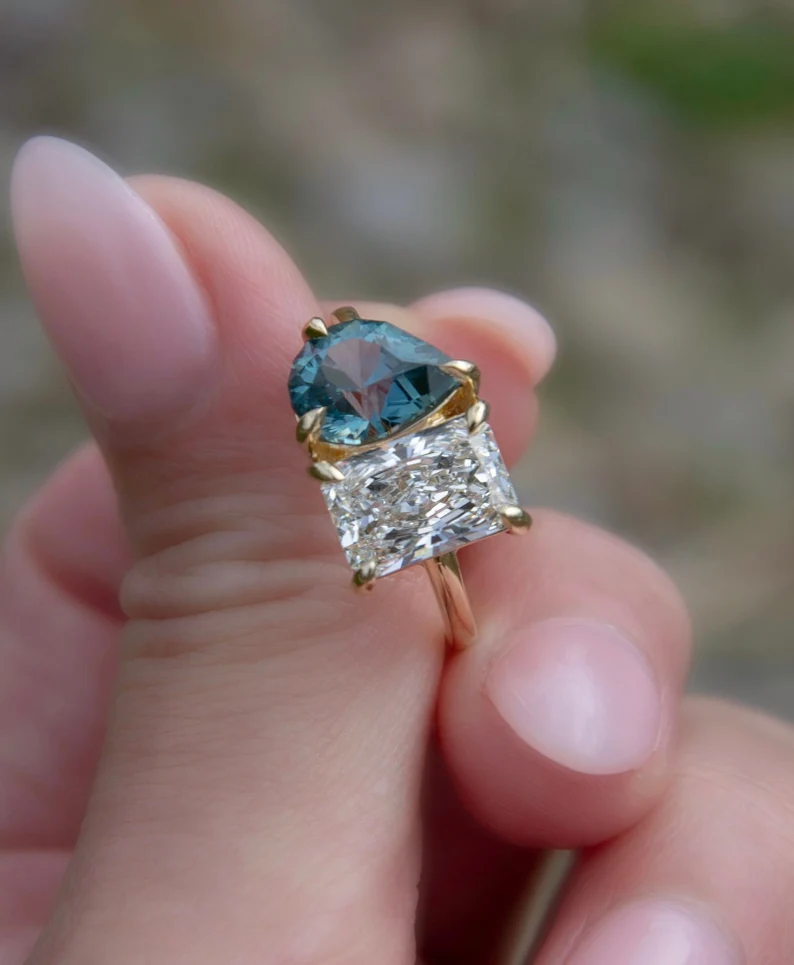
A true Paraíba tourmaline was first described in the late 1980s from the state of Paraíba in Brazil. What makes it special is copper in the crystal. Copper (and often manganese) replaces some of the usual cations in the tourmaline structure. That unusual chemistry produces a vivid, saturated blue or blue-green that appears almost electric. Because copper-bearing tourmaline deposits are scarce, high-quality, clean stones in the 1–2 ct range are uncommon. Rarity drives prices: genuine Brazilian Paraíba material can command many thousands of dollars per carat, especially for vivid color and low-inclusion eye-clean stones.
Why other blue tourmalines get called “Paraíba-like”
- Geographic copies. After the Brazilian discovery, copper-bearing tourmalines were also found in Mozambique and Nigeria. These stones can show the same neon effect but have slightly different trace-element signatures. Sellers may tag them as “Paraíba-type” or “Paraíba color” to signal the look, even though the origin is different.
- Color-based marketing. Many sellers use “Paraíba” terms to describe any intensely saturated blue-green tourmaline, regardless of copper content. The word has become shorthand for a color rather than a verified origin.
- Treatments and enhancements. Some tourmalines are heat-treated or otherwise altered to improve blue tones. Sellers may call these “Paraíba-like” rather than disclosing treatment, which hides a major price and value difference.
How the terminology can be misleading — examples
- If you see “Paraíba” with no locality or lab report, treat it cautiously. A listing that reads “Paraíba-like from Africa” could mean Mozambican copper-bearing tourmaline, or it could mean a non-copper green-blue that only resembles the color in photos.
- Labels such as “Brazilian color” or “Paraíba color” may describe hue only. Those listings often omit chemistry or treatment details. Why it matters: copper content and proven origin are primary drivers of value and durability expectations.
- Sellers sometimes use quotes or small-print: “Paraíba” or Paraíba “color”. That is a red flag. The quotes are often a weak attempt to imply similarity while avoiding a direct claim of origin.
How labs and tests tell the difference — and why you should insist on them
The definitive way to separate genuine Paraíba (Brazilian origin) from look-alikes is by combining two things: a reliable gem lab report that lists origin, and a chemical analysis that shows copper (and sometimes manganese) levels. Labs use techniques like LA-ICP-MS to measure trace elements down to parts-per-million. Why that matters: copper in the crystal lattice is what creates the neon color and the market distinction.
Common facts buyers should know:
- Locality matters. “Brazilian Paraíba” is an accepted trade term for stones from the original mines. Mozambican and Nigerian Cu-bearing tourmalines should be labeled as such. The color can be similar, but the origin is different and the price typically is lower for African material.
- Chemistry matters. A lab report that shows measurable copper confirms a Cu-bearing tourmaline. If a report lists only color or simply says “tourmaline” without trace-element data, it is insufficient to prove Paraíba status.
- Treatment disclosure matters. Heat treatment will change value. A “Paraíba-like” stone that is heat-treated should be priced accordingly and disclosed up front.
Practical buyer checklist — what to ask for and what to expect
- Ask for a full lab report. Prefer labs that provide locality and chemical analysis (LA-ICP-MS or equivalent). If the lab does not state origin or copper, insist the seller obtain a tested report.
- Request a treatment statement. The report (or seller disclosure) should say if the stone has been heated or otherwise enhanced.
- Compare similar stones. A vivid 1.0–2.0 ct clean blue-green tourmaline from Paraíba will price very differently from a Mozambican stone of similar color and clarity. If the price seems too low for “Paraíba,” ask why.
- Look at photos under natural daylight. Some images exaggerate color with filters or LED lighting. Ask for an unretouched photo under daylight and one under incandescent light to check for color shift.
- Get a return policy. If the seller claims “Paraíba” but you later receive a report showing a different origin, you should be able to return the piece for a refund.
Red flags that mean “Buyer beware”
- Vague phrases: “Paraíba tone,” “Paraiba color,” or “Paraíba-like” with no further details.
- No lab report or a report that lists only weight, cut, and color without analytics.
- Small-print locality claims in product captions rather than the main description.
- Very low price compared to market ranges for genuine material.
Final note
Paraíba is a specific, highly valued pedigree tied to copper-bearing chemistry and, originally, Brazilian origin. The market now includes true Paraíba, copper-bearing tourmalines from Africa, and stones marketed only for their similar color. Ask for lab-backed proof of origin and trace-element data. Insist on treatment disclosure and a clear return policy. Doing so protects you from paying a Paraíba premium for something that only looks similar in a photo.