Blog
Cast vs Hand-Fabricated: Can You Tell From the Underside?

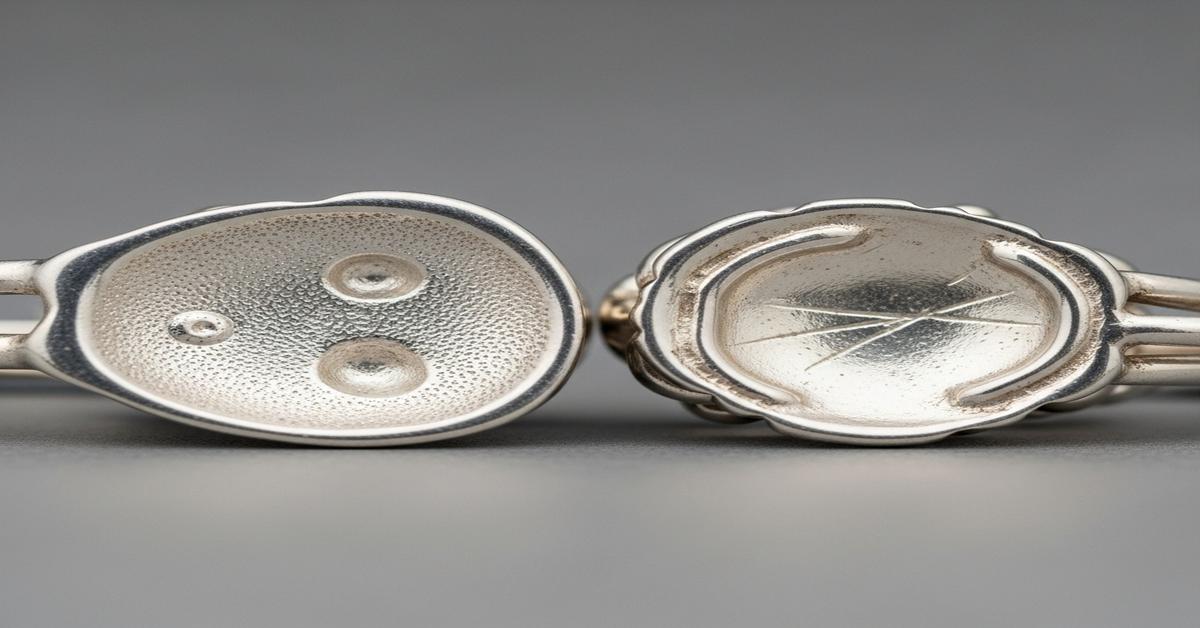
When you look at a piece of jewelry from the underside you are seeing clues about how it was made. The underside shows where metal was joined, how openings were finished, and how much handwork went into the piece. These signs matter because they affect comfort, repairability, and value. Below I explain the practical differences between cast and hand-fabricated pieces and give specific things to look for when you inspect the underside.
What to look for on the underside
Focus on a few clear visual and tactile cues. Each tells you something specific about the manufacturing method.
- Sprues and gates: Cast pieces often have rounded sprue attachments or small gate stubs where the wax was attached. Look for a little round boss or circular scar about 1–3 mm in diameter. That’s a strong sign of lost-wax casting.
- Parting lines and seam lines: Casting can leave a faint parting line (thin ridge) where the mould halves met. Hand-fabrication will not show that line; it will show joined seams that were filed and soldered smooth.
- Porosity and pitting: Tiny pinholes or a slightly sandy texture (sub-mm pits) often indicate casting porosity. These result from gas entrapment or shrinkage during solidification. Hand-fab surfaces are usually smoother, aside from deliberate hammer or tool textures.
- Tool marks: Linear file strokes, saw marks, or chisel marks are common on hand-fabricated pieces. These marks are usually regular and directional—files leave parallel grooves ~0.1–0.5 mm wide. Cast pieces rarely show organized tool marks under the metal unless they were finished by hand.
- Solder joints and fillets: Hand-fabricated joins usually show a solder fillet (a rounded bead) where two parts were fused. Fillets often measure 0.2–0.6 mm thickness after finishing. Cast joins show no solder fillet because the part was cast as one piece.
- Finish consistency: Cast interiors and tight cavities often remain rough because polishing tools can’t reach. Hand-fab interiors—especially in fine work—are filed and burnished for a clean finish, even in tight spots.
How common metals behave underneath
Alloys and metal type change how these signs appear. Know what to expect for the most common alloys.
- 14k yellow gold (58.5% Au): Cast 14k tends to show a slightly grainy surface after investment removal. Hand-soldered 14k shows a distinct solder color band near joins. Solder used for hand work is typically matched to the alloy—example: a 14k medium or hard solder with similar color and melting range.
- 18k gold (75% Au): Softer than 14k, so hand-finish marks are easier to see. Thin solder fillets can be smoothed flat, leaving barely visible joins if the maker worked carefully.
- Sterling silver (92.5% Ag): Silver casts can show fine porosity more readily. Flux or investment reaction sometimes leaves brownish residue in crevices; a skilled bench jeweler will pick and polish these out, but if present it points to casting.
- Platinum (Pt 950 or similar): Platinum is usually cast (high melting point, difficult to form by soldering like gold). On the underside you may see heavy grain structure or a darker, matte appearance in unpolished cavities. Platinum soldering is done with brazing or laser and leaves different thermal discoloration patterns than gold solder.
Practical examples you can inspect
Here are specific items and what their undersides commonly reveal.
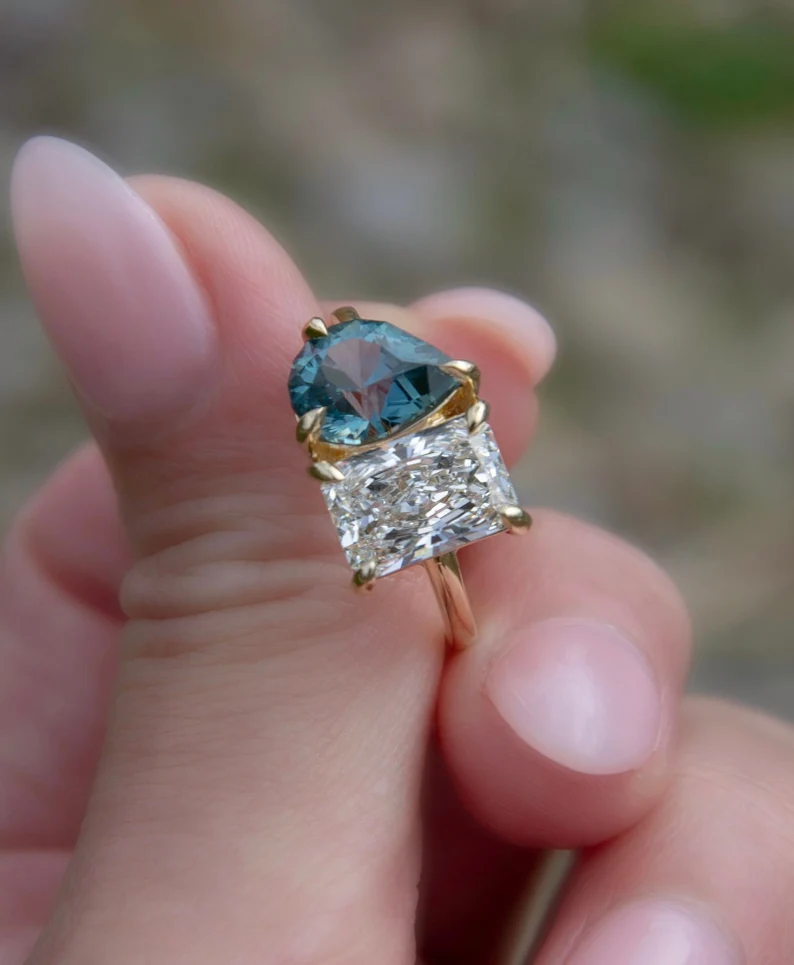
- Rings (e.g., solitaire ring): A hand-fab solitaire often has prongs formed from wire and soldered to a head. Look inside the head: you may see solder fillets at the prong bases and faint file strokes where excess solder was removed. Cast heads often have integral prongs with a little flash or seam at the base where the wax was joined.
- Signet rings: Hand-fab signets are usually heavy and have interior solder joints where the bezel meets the back plate. Cast signets can be hollow with rough internal investment texture. If you see a vent hole or internal roughness, it was likely cast.
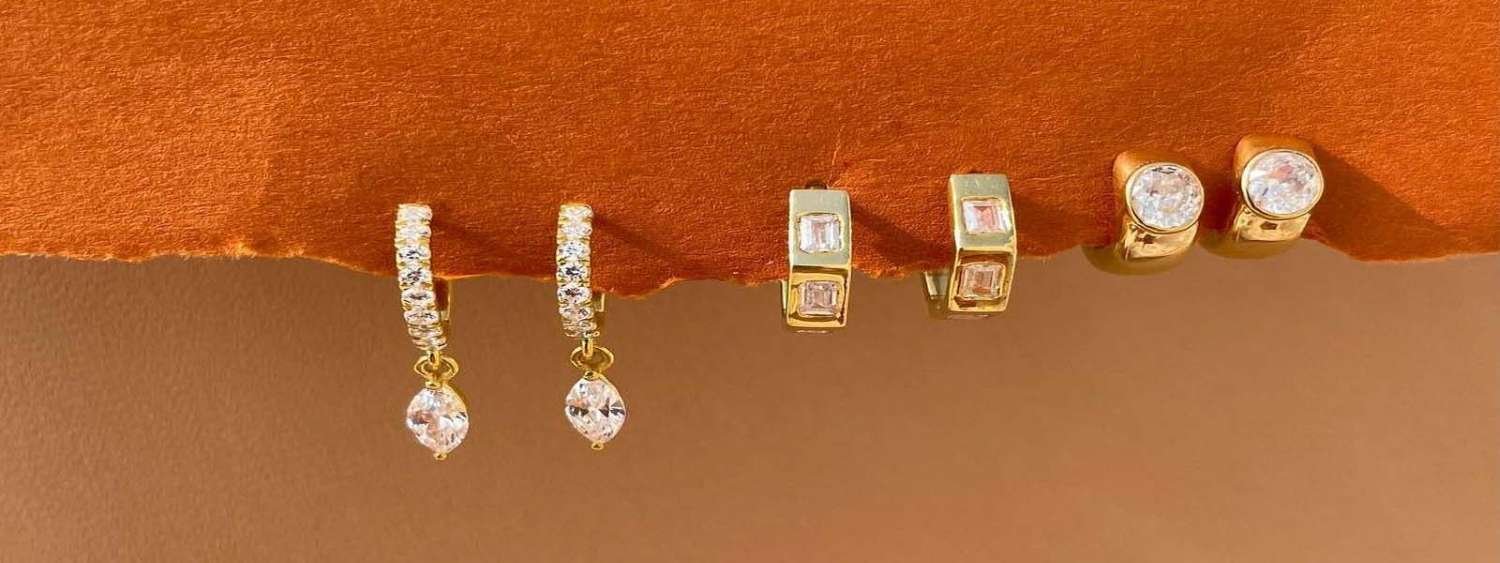
- Earrings and posts: Hand-soldered posts show a conical solder fillet at the join and often a tiny burnish mark from the bench pin. Cast posts are typically continuous with the body and may have a rounded sprue scar where the post was attached to the wax model.
- Pendants and bails: A split-bail that has been soldered shows a neat seam inside the bail. A cast bail is usually thicker and smoother inside but may have small pits or a matte texture from investment material.
Tools and tests jewelers use
If you need certainty, professionals use a few quick methods.
- Magnification: A 10x loupe reveals parting lines, fine porosity, and file marks. A stereo microscope at 20–40x makes these features obvious.
- Weight and balance: A cast hollow piece is lighter than a solid hand-soldered equivalent. Scales accurate to 0.01 g help compare expected vs actual weight for the design.
- Radiography: X-ray will show internal porosity and voids typical of casting. This is used for high-value or vintage pieces where internal flaws affect integrity.
- Heat and pickling observations: Where a join has been soldered the metal reacts differently to flux and pickle—look for clean or oxidized bands after small repairs (bench testing only by a jeweler).
When you can’t tell — questions to ask or next steps
If the underside doesn’t give a clear answer, ask the seller these specific questions:
- “Is this cast from a single model or hand-built from sheet and wire?”
- “Is the piece from a CAD design that was cast, and how much hand finishing was done?”
- “Is the item hollow or solid, and can I see internal photos?”
If the piece is valuable, request a written description from the maker or an independent appraisal. For repairs, a clear knowledge of how a piece was made tells the bench jeweler whether a laser, solder, or remelting approach is required.
Bottom line: the underside carries a lot of evidence. Rounded sprue scars, parting lines, and porosity point to casting. Clean solder fillets, directional file marks, and careful burnishing point to hand fabrication. Use magnification, ask targeted questions, and when in doubt get a professional opinion—especially on pieces with high metal or stone value.