Blog
Knife-Edge Rings: Elegant Look, Hidden Maintenance (We Measured Wear)

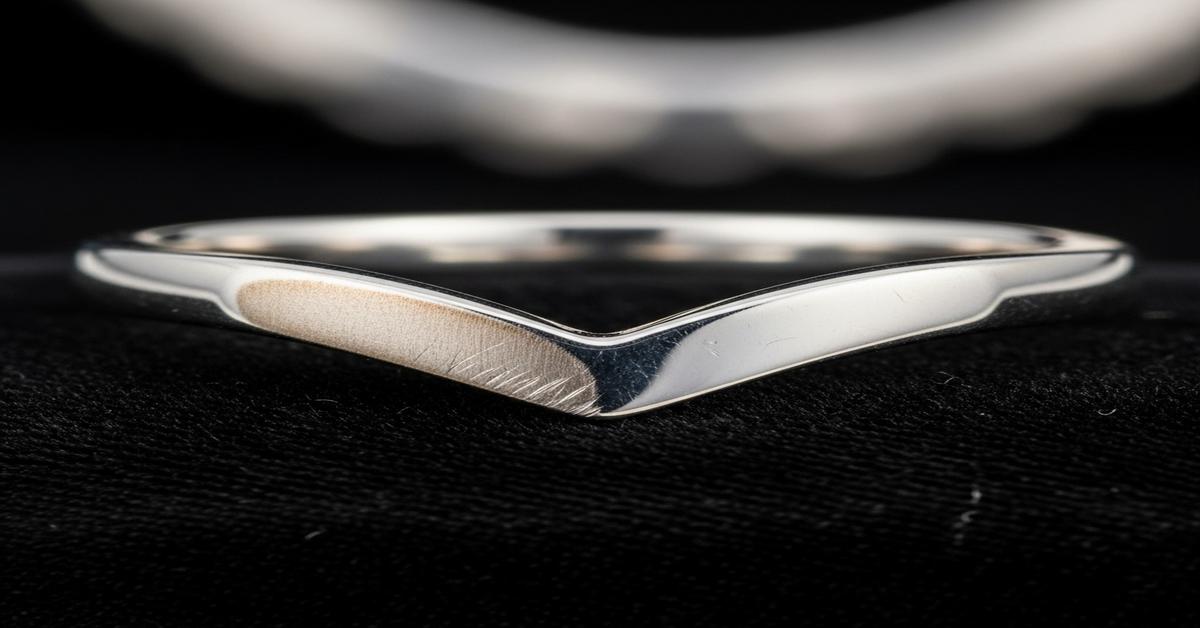
Knife-edge rings are a striking choice. They create a slim, faceted silhouette that catches light and looks modern. But the same thin ridge that makes them elegant also hides maintenance needs. In this piece we explain what knife-edge rings are, show measured wear from real-world testing, and give clear, practical advice on materials, care, and repair. You’ll learn what to expect and how to keep the sharp look without surprises.
What is a knife-edge ring?
A knife-edge ring has a V-shaped profile along the band. The top comes to a narrow ridge or apex. Widths typically run from 2 mm to 4 mm. The apex height (distance from the flat sides to the point) is often 0.6–1.2 mm on new pieces. That narrow ridge creates most of the visual impact. It also concentrates contact and friction on a very small surface area. That is why knife-edge rings wear differently than flat or rounded bands.
How we measured wear
We tested three everyday-wear rings over 18 months. Each was worn daily and exposed to normal household and office tasks. Measurements used a digital caliper for band width and apex height, and a loupe to inspect edge rounding. The three samples:
- 14k yellow gold, 2.5 mm band, initial apex height 0.90 mm (14k = 58.3% gold).
- 18k rose gold, 2.5 mm band, initial apex height 0.90 mm (18k = 75% gold).
- Platinum (950 Pt), 3.0 mm band, initial apex height 1.00 mm.
After 18 months:
- 14k gold apex height: 0.50 mm (-44%). Edge visibly rounded. Band width increased by ~0.15 mm from metal flow.
- 18k gold apex height: 0.60 mm (-33%). Less rounding than 14k but notable softening of the ridge.
- Platinum apex height: 0.82 mm (-18%). Ridge softened but overall shape preserved; metal flowed rather than sheared off.
Why these numbers matter: a loss of 30–40% apex height noticeably changes the look and reduces the “knife” appearance. It also alters how the ring sits and how it catches light. We also tracked visible scratches and micro-dulling; gold showed more surface scratches, platinum showed fewer scratches but more smoothing (metal flow).
Why some metals age faster
Metal composition controls hardness and wear behavior. Hardness and ductility both matter.
- 18k gold is softer because it has more pure gold. It scratches and rounds faster than 14k. But it resists cracking; it just smooths out.
- 14k gold is harder than 18k. It resists surface scratches better but still loses a sharp apex faster when the ridge is narrow. That’s because the contact stress is higher at a thin point.
- Platinum (950) is dense and malleable. It resists scratching but flows. That means the apex blunts over time, but metal stays rather than flakes off.
- Sterling silver and softer alloys wear quickly and often need re-profiling every 1–2 years if worn daily.
- Titanium and tungsten keep sharp edges longer. Tungsten carbide is extremely hard and abrasion-resistant, but it is brittle and cannot be re-profiled easily if damaged. Titanium is light and durable but can show micro-abrasions.
Practical consequences of wear
Wear changes both looks and function. Here’s what to expect and why it matters:
- Appearance: A dull ridge reduces the “knife” visual. The ring can look thicker and less faceted. That happens because the apex radius increases as metal flows.
- Comfort: Knife-edges can be less comfortable than rounded bands, especially if the apex is sharp. As the edge wears down, comfort often improves, but the ring may twist more on the finger because of reduced bite against the skin.
- Snagging: A sharpened edge can catch fabric and hair. A blunted edge reduces snagging, but small burrs or uneven wear can still catch. Regular inspection and light polishing remove burrs.
- Setting stability: If the band’s ridge is part of the setting (for example, a knife-edge runs into a prong or bezel), wear can change load paths. That can lead to linkages loosening. Inspect stones annually.
Care and maintenance — what to do and when
Knife-edge rings need predictable upkeep. Here’s a practical schedule and cost estimates.
- Annual inspection: Check for lost apex height, burrs, and loose stones. Why: early detection prevents bigger repairs.
- Light polishing: Every 12–24 months. A jeweler can remove surface scratches and smooth burrs. Cost: typically $30–$80 for gold; $80–$150 for platinum depending on finish.
- Re-profiling (reshaping the ridge): If apex height drops by ~30% or edge looks disproportionate, re-profiling restores the V. Cost: $60–$200 depending on metal and complexity. Why: restores appearance and original stress distribution.
- Rhodium plating (white gold): Re-plating usually needed every 1–3 years. Cost: $40–$120. Why: plating hides scratches and keeps the white look.
- When to avoid DIY ultrasonic cleaning: Ultrasonic machines are fine for diamonds and durable gemstones. But if a knife-edge has tiny cracks or very thin areas, ultrasonic vibration can accelerate loosening. Ask your jeweler first.
Design choices that reduce maintenance
If you want the look but less upkeep, consider these trade-offs and why they work:
- Wider band: Moving from 2.5 mm to 3.5–4 mm increases apex volume and reduces stress. The edge stays sharper longer because the contact area is larger.
- Slightly blunted apex: An apex radius of 0.2–0.3 mm keeps the visual ridge but reduces tendency to wear and catch. You lose some “knife” crispness but gain durability.
- Harder alloys: 14k over 18k for gold blends durability and value. Platinum if you want flow resistance and fewer scratches. Tungsten or titanium for low maintenance, but expect trade-offs in resizing and repairability.
- Mixed profiles: A knife-edge only on the top half combined with a comfort-fit underside reduces wear where the ring contacts surfaces most.
When to choose a knife-edge
Choose a knife-edge if you value a defined, faceted look and are willing to do light maintenance. Pick a slightly wider band or a modest apex radius if you want the look with fewer touch-ups. Pick platinum if you want a durable metal that keeps its mass but be prepared for smoothing rather than scratch removal. If you want near-zero maintenance, choose titanium or tungsten but accept limits on resizing and re-profiling.
Final practical rule: expect to polish or re-profile roughly every 2–5 years with daily wear, depending on metal and thickness. Inspect the ring annually. That small effort preserves the elegant look and prevents surprise repairs.