Blog
Sizing Beads vs Spring Inserts: The At-Home Fix That Actually Works

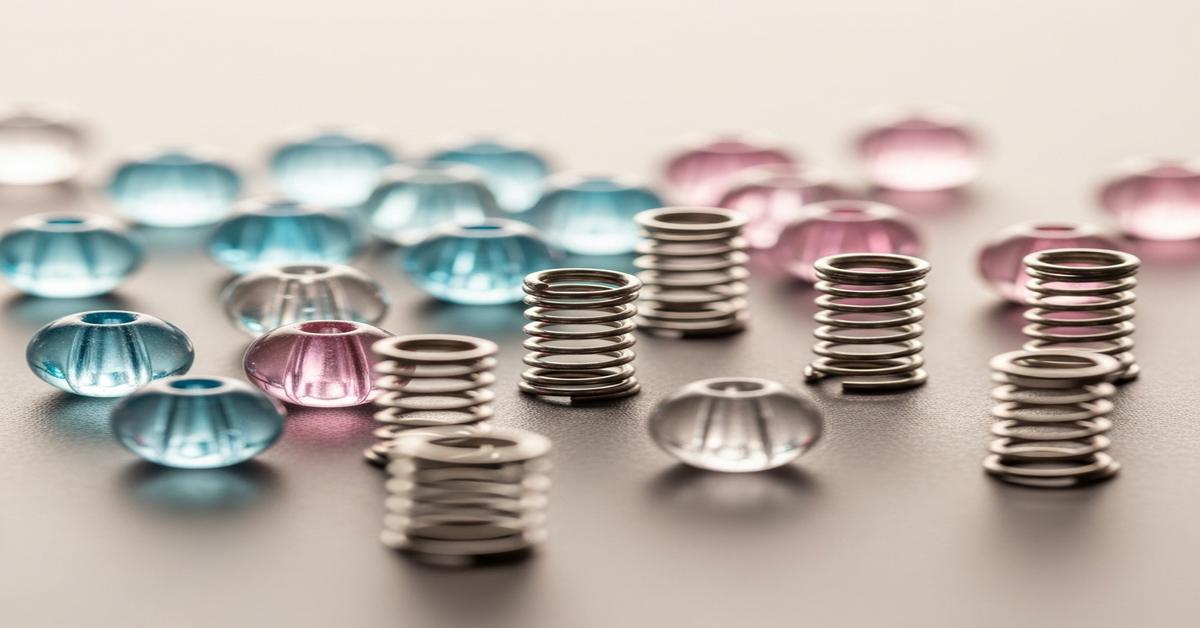
Small size problems are common. A ring can slip, turn, or sit too tight at the knuckle. Two simple fixes are sizing beads and spring inserts. Both change how the ring fits without a full resize. This article explains what each option does, which one actually works at home, and when you must go to a jeweler. I’ll give practical steps, measured limits, and the risks so you can choose safely.
What sizing beads and spring inserts actually are
Sizing beads are tiny metal bumps soldered to the inside of a ring’s shank. Jewelers usually place one or two beads near the bottom (the part opposite the setting). They reduce the internal circumference and stop the ring from spinning. Beads are usually made from the same metal as the ring — 14k or 18k gold, platinum, or silver. Because they are soldered, they are close to permanent and feel like part of the ring.
Spring inserts are removable devices that sit inside the shank and act like a flexible cushion. There are two main styles: a thin stainless-steel coil wrapped in a soft plastic sleeve, or a molded silicone/thermoplastic insert. They compress slightly when you slide the ring on and expand to hold it in place. Spring inserts don’t require heating the ring and can be removed or replaced.
How much adjustment each method gives — be specific
Ring sizes follow small increments. One U.S. ring size change equals about 0.8 mm in diameter (roughly 2.5 mm in circumference). That matters when you choose a fix.
- Sizing beads: Each bead pair typically reduces fit by about 1/4 to 1/2 US size. Two beads placed opposite each other can feel like about a 1/2 size reduction. Beads are best when the ring is slightly loose — not by a full size.
- Spring inserts: A good insert gives adjustable reclaim of roughly 1/4 to 1 US size, depending on the insert thickness and the band width. Thicker or coil-style inserts can comfortably compensate up to about a 3/4 size difference in many cases.
Which at-home fix actually works — and why
For at-home use, spring inserts are the practical choice. They require no soldering, no special tools, and no heat. They are removable, which matters if you later resize the ring professionally. Inserts are also safer for rings with heat-sensitive gems (opal, emerald, turquoise) because there is no risk of thermal shock.
Sizing beads can work at home only if you use adhesive foam or stick-on beads. Those stick-on beads are a temporary stopgap and often fall off after weeks. True metal sizing beads require a jeweler because soldering needs controlled heat and precise placement. Trying to solder a bead at home risks melting the shank, harming fragile stones, and producing weak joints that break later.
How to install a spring insert at home — step-by-step
Tools you need: soft cloth, small file or fine-grit sandpaper (if trimming is required), and the correct insert sized for your band width. Many inserts are sold to match common band widths: 2–3 mm (thin), 3–5 mm (medium), and 5–8 mm (wide).
- Clean the inside of the ring with a soft cloth to remove oils and debris. A clean surface improves fit and hygiene.
- Measure the band width in millimeters. Choose an insert that matches that width; a too-narrow insert will slide, a too-wide insert will bunch up and distort the ring shape.
- Squeeze or compress the insert and push it into the inner curve of the shank at the bottom. If it’s a coil, align the seam so the insert seats flat.
- Rotate the insert to the point where it feels most comfortable and secure against your finger. The insert should not press on the setting or stones.
- If the ends are slightly long, trim only rubber or plastic housings with a small sharp scissors or fine file. Never cut metal coils unless they are designed to be trimmed.
- Slide the ring on and off a few times. The insert should hold the ring without making it hard to pass over the knuckle.
Practical limits and material concerns
- Band thickness: Thin shanks under 1.5 mm can be weakened by beads and may not secure a coil insert well. Spring inserts work better on shanks thicker than 1.5 mm.
- Wide bands: Bands wider than 6–8 mm may require custom inserts or a professional resize. Inserts can bunch or shift on very wide rings.
- Hard metals: Tungsten, ceramic, and many titanium rings can’t be soldered for sizing beads. Spring inserts remain the main at-home option for those materials, but they must fit securely because these bands often have thicker walls.
- Gemstones and settings: Heat-sensitive or glued stones (amber, opal, opalescent glass) are at risk if a jeweler soldered beads improperly. For those rings, choose a non-heat method like an insert.
Hygiene, comfort, and maintenance
Inserts trap moisture and dirt if not cleaned. Remove the ring daily to clean the insert and the inside of the shank with mild soap and warm water. Replace silicone inserts each 6–12 months if you notice hardening, discoloration, or odor. Sizing beads are low-maintenance but check the joint periodically. If a soldered bead wiggles, see a jeweler promptly.
When to skip DIY and visit a jeweler
- If you need to change more than one full US size.
- If the shank is very thin or hollow.
- If the ring has intricate settings, channels, or multiple stones around the shank.
- If the metal is platinum or an alloy you don’t know; professional work ensures correct solder and annealing.
- If you want a permanent, invisible fix — a jeweler can add beads cleanly or cut and re-solder the shank for a full resize.
Quick comparison — practical summary
- Sizing beads: Best for small, permanent tweaks. Needs a jeweler for a reliable job. Good when you want the ring to feel like part of the band.
- Spring inserts: Best at-home fix. Removable, adjustable, no heat. Ideal for slightly loose rings, heat-sensitive gems, or hard-to-resize metals.
- Stick-on beads: Cheap and temporary. They can work for a day or two but are unreliable long-term.
Bottom line: if you want a safe at-home solution that actually works, go with a correctly sized spring insert. Use sizing beads only through a jeweler when you want a longer-term change and are willing to accept a small permanent alteration to the ring.