Blog
Superglue on a Cracked Gem? The Safer Emergency Move

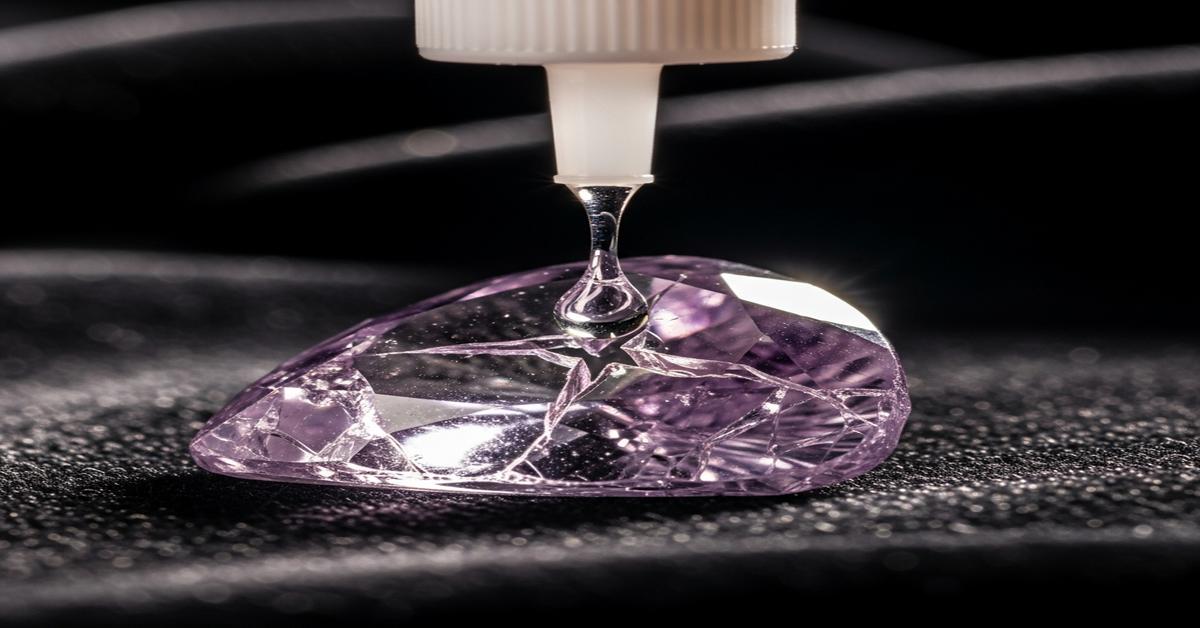
Superglue (cyanoacrylate) is a tempting fix for a cracked or loose gem. It sets fast and seems to hold pieces in place. But jewelry repairs are about more than short-term hold: heat, solvents, plating, treatments, and the gem’s porosity all matter. Use the right emergency move and you can avoid making a temporary problem permanent.
When is superglue an acceptable emergency option?
Superglue is only reasonable as a short-term stabilizer when the alternative is losing the stone entirely. Examples:
- A small 0.25–0.5 ct (about 4–5 mm) accent stone that has worked loose from a setting and might fall out that day.
- A cracked synthetic or non-porous gem (glass, quartz) in a non-valuable fashion piece, where a quick hold prevents further damage until proper repair.
Why these cases? Cyanoacrylate bonds quickly and strongly to non-porous surfaces and needs little clamping. But it can discolor, be brittle, and is hard to remove from some gems and replated metals. For high-value, treated, porous, or fragile gems (pearls, opals, turquoise, amber, emeralds with oil treatment), superglue risks long-term damage.
How to apply superglue safely — an emergency step-by-step
Do this only when you must secure a stone immediately and professional repair isn’t possible that day.
- Contain the piece. Work over a padded surface and put the jewelry in a small dish. Wear nitrile gloves to avoid skin glue.
- Stabilize, don’t flood. Use a tiny, pinhead-sized drop of superglue. Too much will wick under the gem or into porous material.
- Apply to the setting, not the stone. If you can access the back or inside of the setting, place the drop on metal where it will contact the gem. That avoids glue staining the gem faces. For example, with a prong-set 1 ct (≈6.5 mm) diamond, apply a small dot behind a prong rather than on the girdle or table.
- Briefly press and hold. Cyanoacrylate sets in seconds with moisture. Hold the stone gently in position; don’t over-compress and risk cracking a already-damaged gem.
- Wipe excess immediately. Keep a toothpick and acetone-safe cloth ready. Remove any stray glue before it cures.
- Label and store safely. Put the piece in a padded container and avoid wearing it. Superglue gives a brittle fix; everyday wear can crack the glue or the gem.
Why superglue is risky for many gems and settings
Understand the failure modes so you can judge risk:
- Porous and treated gems: Pearls, opal, turquoise, amber, ivory and some treated emeralds can absorb glue. That can change color, texture, and value. A grainy white residue can remain even after cleaning.
- Yellowing and brittleness: Cyanoacrylate can yellow with age and become brittle. A brittle bond transfers shock to a stone’s fractured edges, causing further breakage.
- Plating and finishes: Acetone and glue can dull rhodium plating on white gold and affect other surface finishes. Removing glue often requires solvents that can damage plating.
- Hidden trapped glue: Glue can seep into prong bases or open pavillion cavities and be nearly impossible to remove without professional tools.
Better temporary alternatives
When you need a reversible, safer short-term fix, choose one of these first:
- Tacky wax (museum wax / adhesive putty). Reversible, non-damaging, and holds stones in place without chemicals. Use a pea- to grain-sized ball pressed into the setting behind the stone.
- Temporary jeweler’s putty / double-sided tape. Small strips of museum-grade tape can hold a stone while you transport the piece to a repair shop.
- Two-part epoxy (short working time): For non-porous shards that must be bonded permanently and where you can clamp for the full cure time (usually 5–30 minutes working time, full cure 24 hours). Epoxy fills gaps better than cyanoacrylate and is less brittle. But it requires careful mixing and precise application.
- UV-curing adhesive: Good for small, clear repairs where you can access the joint and shine UV light. It sets on demand and can give a clearer finish than superglue, but needs the right equipment.
How to remove superglue and care after the emergency fix
Removal depends on the gem and metal.
- Test first. Try solvents on an inconspicuous spot. Acetone removes many superglues but can damage pearls, opal, certain plastics, and some plating.
- Non-porous gems (diamond, sapphire, ruby, quartz): Soak in warm soapy water, then carefully apply a small amount of acetone with a cotton swab. Use a wooden pick to lift softened glue. Do not use acetone on rhodium-plated white gold without testing.
- Porous or treated gems: Avoid solvents. Take the piece to a jeweler. Mechanical removal under magnification is safer, or professionals will replace the stone and repair the setting correctly.
- After removal: Get the piece inspected. A prong-tightening, re-tipping, or a proper adhesive applied by a jeweler will restore long-term security.
When to stop DIYing and see a jeweler
Do not attempt to glue multi-fragment breaks of valuable stones (like a cracked 1 ct diamond or colored stone). If the gem is high-value, color-treated, heat-treated, a natural emerald with inclusions, or mounted in a valuable setting, stop and consult a professional. A jeweler can:
- Assess whether the stone can be safely repaired or should be replaced.
- Use appropriate adhesives (industrial UV resins, jewelry-grade epoxies) and clamps or re-tipping techniques.
- Refinish and replate metal safely after removal of any adhesive residue.
Bottom line: superglue can be a last-resort, short-term stabilizer to stop an immediate loss. Prefer reversible, non-chemical holds (tacky wax) when possible. For anything valuable or porous, get professional help. The goal of an emergency move is to prevent further loss or damage — not to create a permanent repair you’ll regret.