Blog
Marketplace Mayhem: Why “Appraised at $5,000” Rings Go for $600


Selling jewelry online can feel like a time machine for value. A ring that came with an insurance appraisal reading “$5,000 replacement” often changes hands for a few hundred dollars on a marketplace. The numbers shock people, but there are real, specific reasons behind that gap. This article explains what appraisals mean, why prices collapse in peer-to-peer sales, and how buyers and sellers can make smarter decisions.
What an appraisal actually means
An appraisal is usually a statement of replacement value — the cost to buy the item new at retail. That number includes retail markup, brand premiums, labor, and sometimes hypothetical retail conditions. It is not a guaranteed resale price.
- Replacement vs. fair market value: Replacement value might reflect what a jeweler would charge a customer to replace the piece. Fair market is what a willing buyer pays a willing seller in current market conditions. These are often very different.
- Typical appraisal assumptions: Appraisers may assume the gemstone is natural, untreated, and the metal is new. They price for a polished, ready-to-wear retail product.
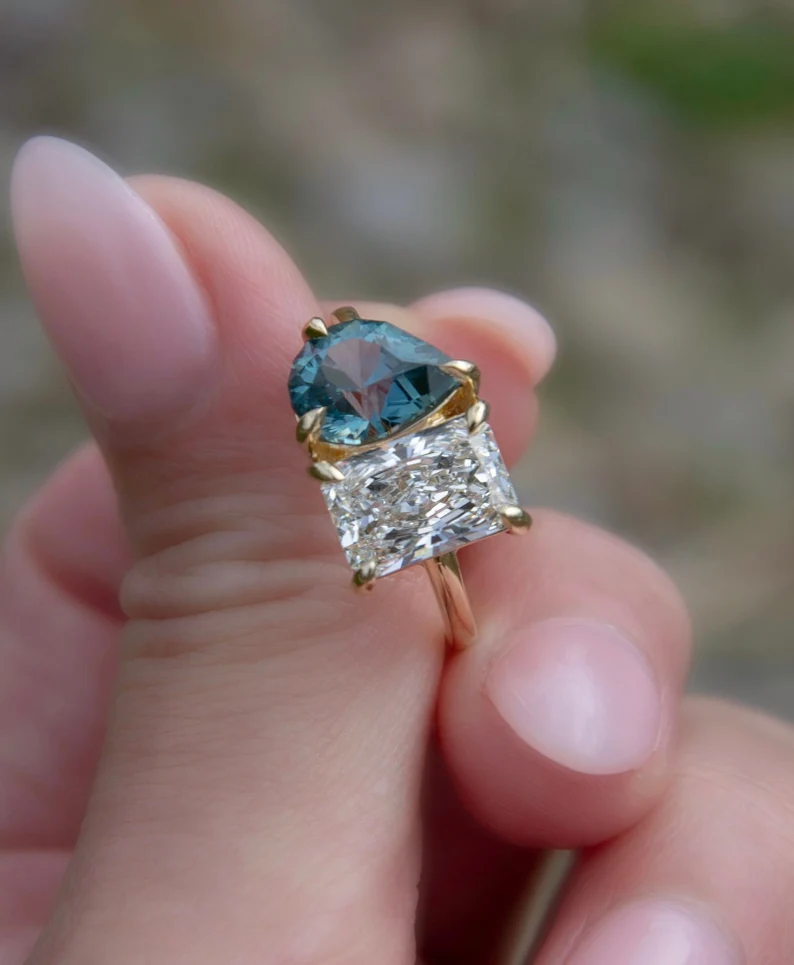
- Example: A 1.00 ct round diamond (about 6.4–6.5 mm) set in a 14K white gold mounting weighing 4 g might be appraised at $5,000 as replacement. Resale wholesale value of that same diamond plus metal could be closer to $900–$1,600 depending on cut, clarity, and demand.
Why marketplaces push values down
Several practical market mechanics create the discount between appraisal and marketplace sale price.
- Retail markup disappears: Retail prices include large markups. Jewelers often double or triple cost to cover overhead and profit. A used piece sells closer to wholesale, not retail.
- Liquidity discount: Sellers on marketplaces want quick cash. That means pricing below wholesale to attract buyers. Pawn shops and auctions use even deeper discounts for faster turnover.
- Risk and uncertainty: Buyers on platforms face authenticity, treatment, and return risk. Without lab reports, buyers reduce offers. That risk reduces price — often to 10–40% of the listed appraisal.
- Costs to resell: Buyers and resellers factor in repair, cleaning, resizing, grading, and selling fees. Consignment can cost 20–60%, auction and marketplace fees add 5–15%, shipping and insurance add more.
- Market demand: Styles and sizes matter. A 5.5 mm center stone or unusual setting might be hard to resell. Low demand equals lower prices.
- Non-certified gems: Certified stones (GIA/AGS) command higher resale than non-certified ones. Lab-grown stones also have different markets and lower prices than natural stones.
Where appraisal mistakes and confusion happen
Some appraisals are useful, others misleading. Watch for these warning signs.
- Vague wording: Phrases like “value for insurance purposes” or “replacement as new” do not equal resale price.
- No lab report: An appraisal that claims a diamond is “SI1 clarity, G color” without a GIA/AGS certificate still carries uncertainty. That reduces buyer confidence and price.
- Outdated appraisals: Appraisals older than five years may not reflect current market prices, especially for diamonds and gold.
- Conflict of interest: Some appraisals are done by the seller’s jeweler with retail pricing assumptions. Independent appraisals for resale are more conservative.
Practical checks and numbers to know
- Metal hallmarks and composition: 14K gold is 58.3% pure gold, 18K is 75%. A 14K ring weighing 4 g contains ~2.33 g of gold. At current gold rates, that metal value is a base floor for price, but not the bulk of retail value.
- Diamond size and price ranges: A 0.50 ct round (about 5.0 mm) has very different resale behavior than a 1.00 ct (6.4–6.5 mm). Wholesale prices scale nonlinearly with carat and quality.
- Treated vs. untreated gems: Heat-treated sapphires and fracture-filled emeralds sell for far less than untreated, high-quality stones. Always ask about treatments.
- Repairs and resizing: Basic resizing may cost $20–$100. Broken prongs and re-tipping can add $50–$200. Buyers subtract those costs from offers.
Advice for sellers
- Be honest and specific: List carat (ct), mm dimension, metal karat, item weight in grams, and any lab reports. Buyers value transparency.
- Include documentation: Attach invoices, certificates, and the original appraisal. Photographs of hallmarks help verify metal.
- Prepare the piece: Clean, repair damaged prongs, and take clear macro photos. Small investments in presentation raise final prices.
- Price realistically: Expect 20–60% of the replacement appraisal on peer-to-peer sites. For certified, desirable diamonds, aim higher (30–60%). For uncertified or dated styles, expect lower.
- Consider consignment: If you want closer to retail, consignment stores or estate jewelry dealers will net more but charge 25–60% commission.
Advice for buyers
- Verify before you pay: Ask for the lab certificate number and match it to the stone. Ask to see hallmarks or weigh the ring in person if possible.
- Use a trusted test: For large purchases, request an independent appraisal or verification from a local jeweler. A quick diamond tester or acid test for gold reduces risk.
- Pricing heuristic: If a ring is “appraised $5,000,” expect to pay about 20–40% on a marketplace for a quick buy with some risk. Pay more only with solid documentation and return protection.
- Negotiate with facts: Point out missing certification, required repairs, or metal weight when offering. Those are concrete discounts sellers understand.
In short, an appraisal tells you what it costs to replace a ring new — not what the market will pay for it used. Marketplaces compress value to reflect risk, fees, and demand. If you buy, verify the facts. If you sell, disclose them. That approach narrows the gap between a glowing appraisal and the reality of a $600 sale.