Blog
Post-Growth Treatment: The Lab-Grown Fine Print US Buyers Miss

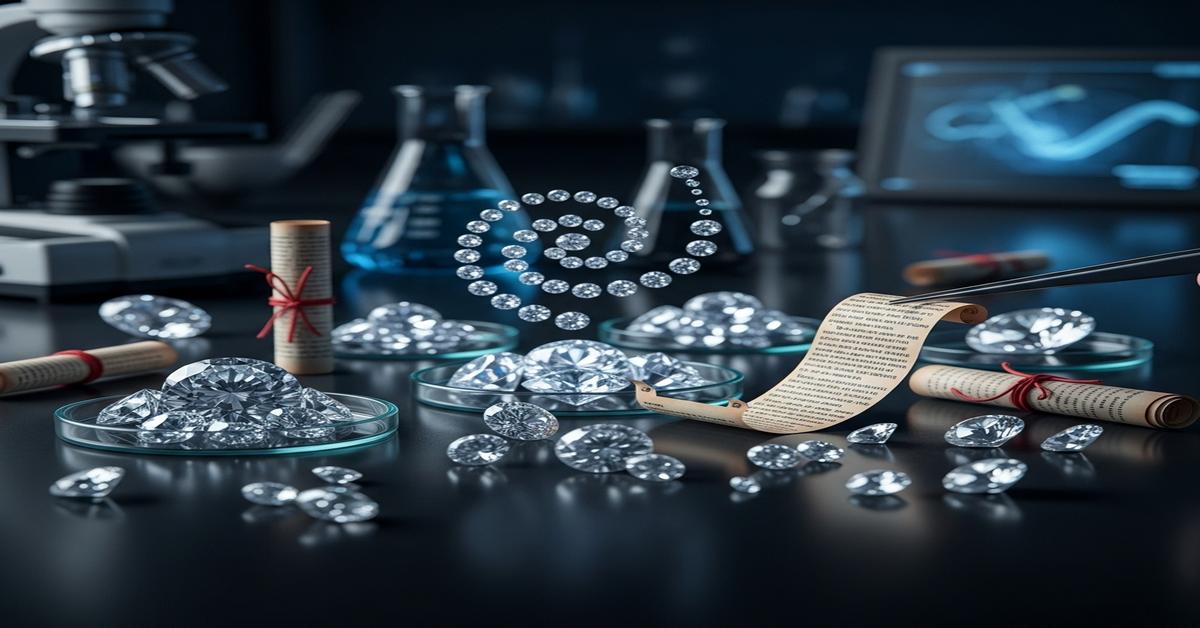
Lab-grown diamonds and gemstones are often sold on price and ethics. That makes them attractive. But many buyers miss an important detail: the stone they buy may have been altered after it was grown. These “post-growth” treatments change color, clarity, or durability. They also change how you care for the piece, how it is graded, and what it will be worth later. This article explains the common post-growth treatments, why they matter, and the exact questions you need to ask before you buy.
What “post-growth treatment” means
After a gem is grown in a lab, it can be treated to improve appearance. Treatments range from industrial processes that permanently alter crystal structure to surface coatings that wear off. Some are stable and permanent. Others are fragile and can be damaged during everyday wear or routine repair. Knowing which is which is the key to a safe purchase.
Common post-growth treatments and what they do
- HPHT (High Pressure, High Temperature) — Used on diamonds to reduce brown body color or to produce near-colorless results from CVD-grown rough. It is usually permanent. Example: a 1.20 ct CVD rough that looks brown can be HPHT-treated and become a near-colorless 1.20 ct (about 6.9 mm round). Because it changes the stone’s crystal structure, labs will often note “HPHT Process.”
- Irradiation + Annealing — Exposes the stone to particles or gamma rays to create fancy colors (blue, green, yellow). Followed by heating to stabilize the color. Many irradiated colors are stable long-term, but some shades can shift with extreme heat or light exposure. Example: a 0.75 ct lab-grown sapphire irradiated to teal may hold that color under normal wear, but improper re-heating during a repair could alter it.
- Fracture filling (glass filling, clarity enhancement) — Fills surface-reaching fractures with glass-like material to improve clarity. It makes included stones look much cleaner at a lower price. It is not permanent. Ultrasonic cleaners, steam, high heat (soldering), and even everyday knocks can cause loss of the filler. This is common in lower-cost stones where clarity would otherwise be poor. If a 1.50 ct lab-grown emerald is filled, a jeweler resizing the 14K gold band (which may reach 450–900°C) can melt or crack the filler.
- Surface coatings — Thin films applied to change color or add sheen. They’re cheap and common on fashion jewelry. Coatings abrade with wear or household cleaners. A coated pink diamond will lose hue on the bezel or prong tips first.
- Laser drilling and residue removal — Lasers can remove dark inclusions and then the resulting tunnels may be bleached or filled. Laser work is permanent as a structural change, but the residues or fillers used afterwards may not be.
- Diffusion or chemical treatments — Chemicals and heat can diffuse color into the surface of some gems (e.g., sapphires). This color is shallow and can be removed by re-polishing or abrasion.
Why these treatments matter for U.S. buyers
Treatments affect durability, grading, resale value, and care. For durability: fracture-filled or coated stones cannot safely go through routine repairs that involve heat, ultrasonic cleaning, or steam. For grading: major labs will flag many treatments on certificates. But many buyers only skim certificates and miss small notations like “clarity enhanced” or “HPHT Process.” For resale and insurance: treated stones often appraise and insure for much less than untreated stones of similar face-up appearance.
Examples that show real risk
- If you buy a 1.00 ct lab-grown diamond (approx. 6.5 mm) that’s clarity-enhanced by filling, a jeweler resizing a 14K (58.5% Au) ring might use a solder that reaches 600°C. That can damage the filler. What looked like a clean 1.00 ct will suddenly show fractures and look worse than an untreated lower-clarity stone.
- Coated colored stones on a daily-wear ring will rub at the edges. Within months the color can flake off at the prongs. The seller who priced the piece at a “fancy color” premium will not be able to back that claim soon after purchase.
- HPHT-treated lab-grown diamonds usually keep their improved color. But the market values them differently. A 1.50 ct HPHT-treated stone may be visually similar to an untreated G-H stone but will not command the same secondary-market price.
What buyers often miss on the fine print
- Small phrases on certificates or invoices like “treated,” “process,” “enhanced,” or “laboratory processed.” Buyers skip these.
- Seller return policies that exclude treatment issues or resale guarantees tied to untreated stones only.
- Missing care instructions: a treated stone may need strict cleaning rules that aren’t given at sale.
- Insurance appraisals listed at replacement cost without noting treatment. That inflates expected payout on loss or theft.
Questions to ask before you buy
- “Is the stone lab-grown or natural? Please state in writing.”
- “Has the stone been treated after growth? If yes, list every treatment in writing.”
- “Do you have a report from a reputable lab that names the treatment?” (Look for explicit notations like “HPHT Process” or “Clarity Enhanced.”)
- “What care is required? Can this stone go through ultrasonic cleaning, steam, or soldering?”
- “Does your warranty or return policy cover treated-stone failure, and for how long?”
- “How will treatment affect an insurance appraisal and expected resale value?”
Red flags to watch for
- No lab report or a vague report from an unknown provider.
- Seller refuses to put treatment details in writing.
- Very low price compared to untreated stones of similar face-up appearance. If it sounds too good, it probably has an undisclosed treatment.
- Care instructions are missing or overly generic.
Final practical advice
If you want the best durability and resale value, choose untreated lab-grown stones with a full lab report. If you accept treatment to save money or get a fancy color, demand full written disclosure and specific care instructions. Before any repair work, tell the jeweler about the treatment. Ask your insurer to note the treatment on the policy. These steps cost little but prevent expensive surprises.
Post-growth treatments are not scams. Many are safe and stable. But they change maintenance, grading, and value. Read the fine print. Ask direct questions. Keep the answers in writing.