Blog
Toothpaste on Jewelry? The Viral Hack That Wrecks Polishes

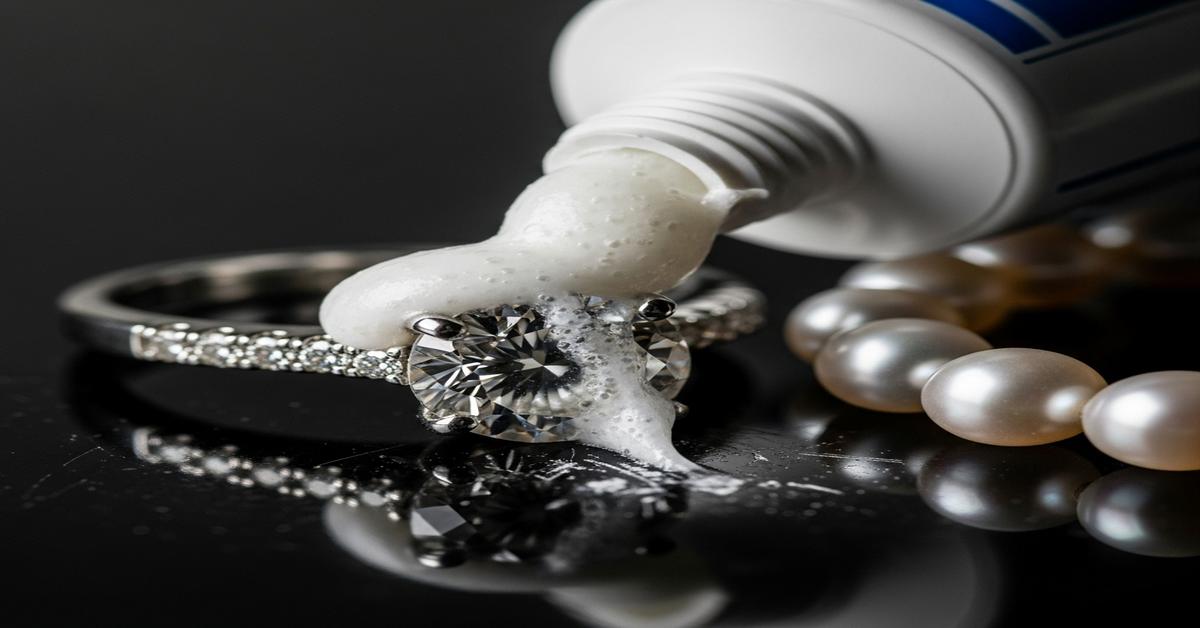
Toothpaste on jewelry is one of those widely shared hacks that sounds clever: if it cleans teeth, it must clean metal, right? In reality, toothpaste contains abrasives and chemicals that can dull finishes, remove thin platings, and etch soft or porous gems. I’ll explain what’s in toothpaste, how it affects different materials, and safe alternatives for cleaning every type of jewelry you own.
What’s in toothpaste — and why it can damage jewelry
Most toothpastes include mild abrasives such as hydrated silica, calcium carbonate, or alumina. These particles remove stains on enamel by mechanical action. They have measurable abrasivity — whitening pastes can have high abrasive levels designed to polish tooth surfaces. Toothpaste also contains foaming agents (like sodium lauryl sulfate), enzymes, and sometimes bleaching agents such as hydrogen peroxide.
Why that’s a problem for jewelry:
- Abrasives cause micro-scratches. Metals and gemstones develop tiny scratches that scatter light and dull the surface. On polished metals (gold, platinum) those scratches are visible as a loss of mirror-like shine.
- Platings are thin. Gold plating, rhodium plating, or vermeil coatings are often only a few thousandths of a millimeter thick (micron-level). Aggressive scrubbing with abrasive paste can wear right through the metal layer to the base metal underneath.
- Porous and soft gems absorb or etch. Pearls, opals, turquoise, amber, and some treated stones are soft or porous. Abrasives and chemicals can remove their surface nacre, dull the luster, or cause discoloration.
How common jewelry materials react
Knowing hardness and structure helps predict damage. Harder equals more scratch-resistant.
- Diamonds (Mohs 10): Very hard, but can chip at edges. Toothpaste abrasives aren’t needed — gentle soapy water is safer.
- Sapphires, rubies (corundum, Mohs 9): Hard and resilient; safe with mild soap and a soft brush. Avoid harsh scrubbing on treated stones.
- Quartz (e.g., amethyst, citrine, Mohs 7): Reasonably hard; avoid abrasive pastes to prevent dulling.
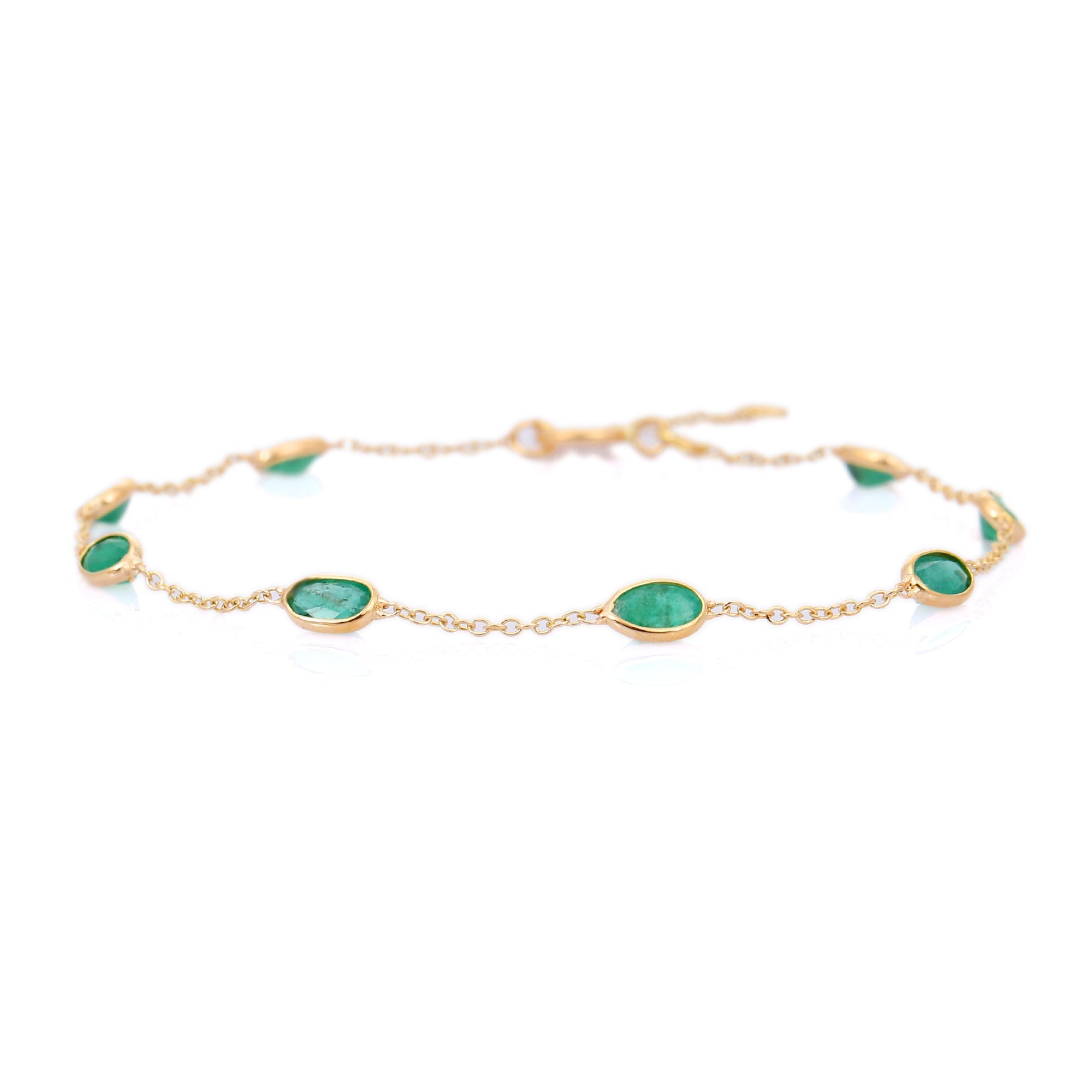
- Emeralds (Mohs ~7.5–8 but often brittle): Usually oil-treated. Abrasives and solvents can remove treatments and worsen clarity.
- Opal (Mohs 5.5–6.5) and pearls (MoHS ~2.5–4.5): Soft and porous. Toothpaste can scratch, remove surface layers, and strip nacre. Never use toothpaste.
- Silver: Can be scratched by abrasive toothpastes; toothpaste also removes desirable patina. Better to use a proper silver cloth or polish.
- Gold alloys: Higher karat gold is softer (18k ≈ 75% gold is softer than 14k ≈ 58.3% gold). Abrasives will scratch 18k more easily. Plated or gold-filled pieces are at high risk of losing their surface layer.
- Costume jewelry and plated pieces: Usually have a base metal with a thin coating. Abrasives and chemicals can erase plating and expose base metals that tarnish or cause skin reactions.
Safe cleaning methods — step-by-step by jewelry type
Use these gentle methods to preserve finishes and treatments.
Solid gold and platinum
- Mix a few drops of mild dish soap in warm water (about 30–40°C / comfortably warm).
- Soak the piece for 10–15 minutes if very dirty.
- Brush gently with an ultra-soft toothbrush, rinse in warm water, and dry with a lint-free microfiber cloth.
- For heavy buildup, a jeweler’s polishing cloth can restore shine; avoid abrasive pastes.
Silver
- Use warm soapy water and a soft brush for routine cleaning.
- For tarnish, use a dedicated silver polishing cloth or a small amount of silver polish applied with a soft cloth. These remove tarnish without aggressive scratching.
- Avoid abrasive toothpastes or baking-soda scrubs on heavily detailed pieces — they can remove highlights and patina.
Diamonds, sapphires, rubies and hard gemstones
- Soak in warm soapy water for 20–30 minutes, then brush gently around settings to dislodge oils and dirt.
- Rinse and dry thoroughly. Steam cleaning is acceptable for many hard stones and sturdy settings, but not if stones are fracture-filled or glued.
Pearls, opals, turquoise, amber, and other soft or porous gems
- Wipe with a damp, soft cloth after wearing. Do not soak.
- Do not use ultrasonic cleaners, steam cleaners, or any abrasive pastes. Chemicals and abrasives will dull or damage the surface.
- Store pearls flat and avoid perfumes, hairsprays, and chlorine which can damage nacre and treatments.
Plated and gold-filled jewelry
- Wipe with a damp microfiber cloth and mild soap only when necessary. Do not scrub with abrasive pastes or heavy polishing cloths that remove plating.
- Replating by a jeweler is the fix if the plating wears through.
What to avoid and when to see a professional
Avoid toothpaste on jewelry. It’s abrasive by design and can cause irreversible changes, especially on plated or soft materials. Don’t use household dips or bleaching agents on treated gemstones, pearls, or assembled pieces with glue. If a ring or heirloom has heavy grime, broken settings, or stones that look cloudy despite cleaning, take it to a professional jeweler. They can inspect prongs, re-polish properly (removing far less metal), and replate if needed.
In short: toothpaste cleans teeth, not jewelry. For most pieces, plain warm water, mild soap, and a soft brush will restore the shine without risk. Use professional polishes and cleaners made for jewelry when you need stronger treatment, and save abrasives for your dentist, not your gemstones.