Blog
Finger Swell Map: Morning Coffee vs Evening Gym—When to Measure in the US

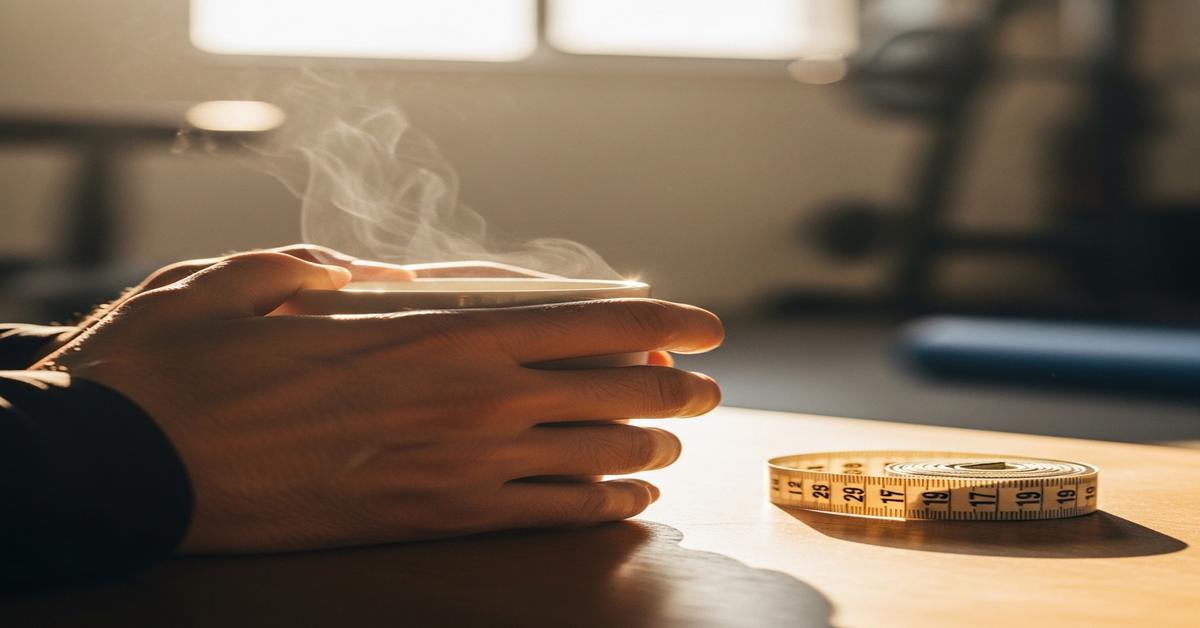
Finger size changes during the day. It’s normal for the same finger to need a different ring size in the morning, after coffee, or following a gym session. This article explains why fingers swell, how big the changes usually are, and when to measure your ring size in the US so your ring fits comfortably all day.
Why fingers change size: the mechanics
Fingers change size for three simple reasons: fluid shifts, temperature, and activity. Overnight you lie horizontal and fluids distribute differently. During the day gravity pulls fluid into the hands. Heat dilates blood vessels and increases tissue volume. Exercise increases blood flow and can cause short-term swelling. Sodium intake, alcohol, and hormones (for example, during pregnancy or menstrual cycles) add longer-lasting changes.
These effects are additive. A hot humid afternoon after a salty lunch and some heavy stepping on the treadmill will give you more swelling than a cool morning after a light breakfast.
How much do fingers actually change? (Numbers that matter)
Use the US ring-size scale to translate swelling into meaningful steps. One full US ring size equals roughly 0.81 mm in internal diameter, which is about 2.54 mm in inner circumference. That means:
- A half-size ≈ 1.27 mm circumference.
- A full-size change from morning to evening of about one size is noticeable and common for many people when hot, active, or after salty meals.
Typical daily variation for most people is about 0.5 of a size (≈1.27 mm circumference). In hot weather or after heavy exercise it can be closer to a full size.
Morning coffee vs evening gym — when to measure
If you want a ring that fits how you actually wear it, choose the measurement time that matches typical use.
- Everyday wear (including daytime activity): measure in the late afternoon or early evening. At that time your fingers have gone through normal daily temperature and activity. This gives a size that fits comfortably the majority of the day.
- Mostly at rest or for night use: measure in the morning after you are up and moving for 30–60 minutes. Some people wake with slight puffiness; moving around lets fluid normalize.
- If you plan to wear the ring while exercising: measure after a typical workout. Exercise can add 0.25–1 full size depending on intensity and hydration.
- Morning coffee alone: coffee has only a minor effect on finger size for most people. It’s a mild diuretic and stimulant; it won’t reliably reduce or increase ring size enough to matter. Don’t let coffee be the deciding factor.
Season and climate—longer-term shifts
Across seasons you should expect differences. In the US, summer heat and high humidity commonly expand fingers by about 0.25–1 size from winter. If you split time between climates (e.g., Midwest winter and Florida summer), size for the warm season if you wear the ring year-round, because a ring that’s snug in summer will still be tolerable in winter.
Band width and metal: practical sizing adjustments
Band width changes perceived fit. Wider bands contact more skin and feel tighter. Use these rules of thumb:
- 2–4 mm bands: true to your measured size.
- 5–7 mm bands: consider sizing up 0.25–0.5.
- 8 mm and wider: plan to size up 0.5–1.0, depending on comfort—8 mm often requires about a half to full size larger.
Metals affect resizing: 14k gold (≈58% gold) is harder and resizes easily; 18k gold (≈75% gold) is softer but also resizes. Platinum is dense and durable; it resizes but requires a jeweler experienced with platinum. Titanium and tungsten cannot be resized easily—get sizing right up front for those.
Practical measurement steps
Follow this checklist for a reliable size:
- Measure at the time of day that matches typical wear: late afternoon for daily wear, post-exercise if you plan to wear while active.
- Take at least three measurements on different days and average them. Don’t decide from a single reading after heavy activity or immediately on waking.
- Measure both the base and the knuckle. The ring must pass the knuckle with moderate resistance yet sit comfortably at the base.
- Use a proper ring sizer or have a jeweler measure with a mandrel. Home paper or string methods are OK for estimates but less precise.
- For wide bands, size up according to the guidelines above. If you’re between sizes, choose the larger for comfort or ask the jeweler about comfort-fit interiors.
Buying advice: engagement rings and gifts
If you’re buying a surprise ring, measure a ring the person already wears (on the correct finger) and have a jeweler confirm. Measure at the same time-of-day the person usually wears rings. If unsure, size up by a half size—easier to reduce later than to stretch a tight ring. Many jewelers will add sizing beads or shave a small amount later to fine-tune fit.
Summary: the quick rule
Measure when the finger is in the typical state you’ll wear the ring. For most people that means late afternoon for daily wear; for exercise use, measure after a workout. Expect about 0.5 size difference across the day and up to a full size in hot conditions or after heavy exercise. Account for band width and metal when choosing the final size. When in doubt, get professional sizing and repeat the measurement across a few days for consistency.