Blog
Maintenance Schedules: How Often Should You Re-Rhodium in America?

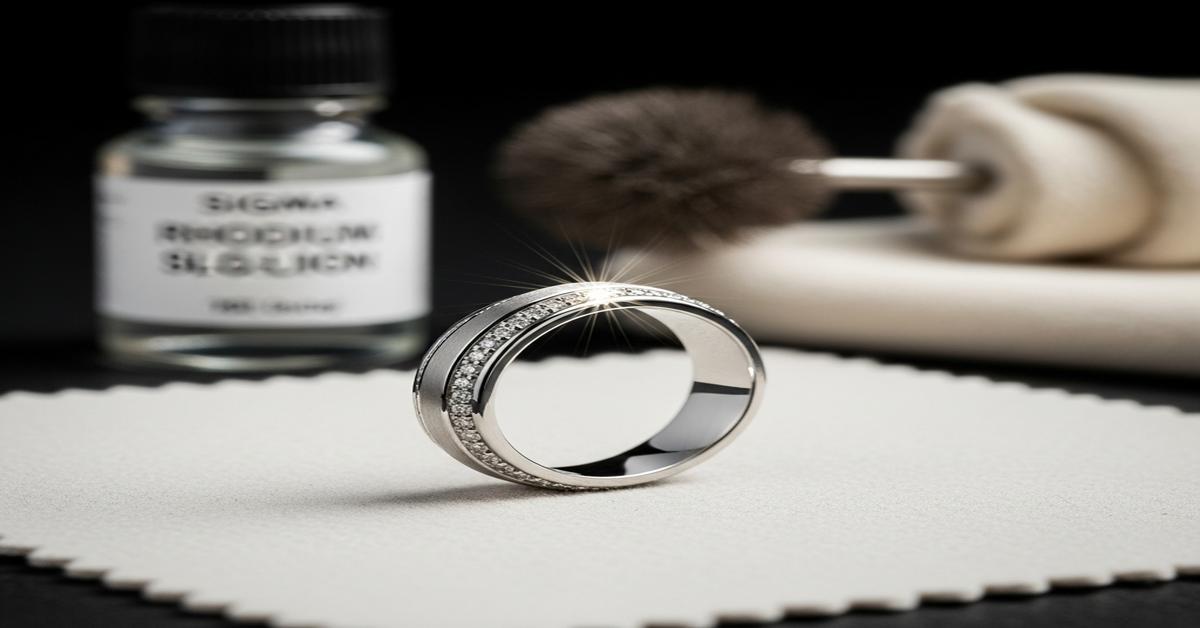
Rhodium plating gives white gold and other jewelry a bright, reflective finish and helps hide the slight yellow cast of gold alloys. But rhodium is a surface coating, not a permanent one. How often you need to re‑rhodium depends on what the piece is, how you wear it, the thickness of the original plate, and the care it gets. Below I break down realistic schedules and the practical reasons behind them so you can plan maintenance without guessing.
How rhodium plating works (brief)
Rhodium is a hard, bright metal applied by electroplating. Typical plating thickness for jewelry ranges from around 0.05 µm (50 nm) on fashion pieces up to 0.5–1.0 µm on higher‑end or purpose‑built pieces. Thicker plating lasts longer because more metal must wear away before the underlying alloy shows through. However, thicker plating costs more and can slightly change fine details if applied repeatedly.
Main factors that determine how often to re‑rhodium
- Contact and friction: Rings and bracelet links rub the most. Prongs and the inside of bands wear fastest. High‑contact surfaces lose plating sooner because of mechanical abrasion.
- Plating thickness: A 0.05 µm plate can look dull in months. A 0.5–1.0 µm plate can last years under light wear. Ask your jeweler for microns when possible.
- Alloy and color of the underlying metal: 18k white gold has more yellow gold to mask, so any thin plating shows warm tones sooner. Nickel‑white 14k alloys start whiter but still need maintenance.
- Wear habits and environment: Daily handwashing, lotions, lotions with oils, chlorine in pools, and household chemicals speed wear. Acidic or alkaline skin (high or low pH) can also affect the finish.
- Piece size and design: Fine, delicate chains and settings lose finish slower than wide, flat bands. A 2 mm wedding band will show wear later than a 6 mm band because there’s less area exposed to constant abrasion.
- Gemstones and cleaning routines: Ultrasonic cleaning and steam cleaning before re‑plating are common. Some stones (opal, emerald, pearls) are sensitive to these processes, so the jeweler may avoid aggressive prep — that can alter the decision about plating frequency and method.
Practical re‑plating schedules (real examples)
Below are realistic timelines to use as guides. Each line includes a suggested plating thickness and why.
- Daily‑wear engagement/wedding ring (thin band, 1.0–2.5 mm): Re‑rhodium every 12–18 months. Recommend 0.3–0.5 µm initial plate. Why: constant hand use and contact with settings slowly reveal yellowish gold on high points and prongs.
- Daily heavy‑wear ring (manual labor, gasket‑exposed jobs): Re‑rhodium every 6–12 months. Consider 0.5–1.0 µm if you want longer intervals. Why: abrasive tasks quickly remove thin plating.
- Everyday necklace or pendant (chain contact but low abrasion): Every 2–4 years. 0.05–0.3 µm is common. Why: less friction than rings; wear is mainly from rubbing on clothing and skin oils.
- Earrings: Every 2–4 years. Thinner plating (0.05–0.2 µm) is usually sufficient because they see minimal abrasion.
- Special‑occasion jewelry (occasional wear): Every 3–5+ years. Thin decorative pieces can stay bright a long time if handled carefully and not exposed to chemicals.
- White gold pieces showing yellowing or dark edges: Re‑rhodium as soon as discoloration appears. Visible yellow means the plating has worn through in spots and is best corrected sooner to preserve appearance and protect against further wear.
How to extend time between re‑platings
- Remove before swimming or cleaning: Chlorine and pool chemicals accelerate loss of rhodium.
- Limit contact with lotions, perfumes and hand sanitizers: They leave residues and can abrade finish through frequent rubbing.
- Store pieces separately: Avoid chains and rings rubbing together in a box. Use soft pouches.
- Use a non‑abrasive polishing cloth: Lightly buffing removes oils and keeps shine without removing significant rhodium. Avoid abrasive compounds or hard polishing wheels at home.
- Have prongs inspected annually: Wear often shows first at prongs. Repairing loose prongs prevents damage during re‑plating and protects stones.
What to ask your jeweler
When you bring a piece in, ask specific, practical questions:
- What thickness (in microns) will you plate? This gives you a real expectation for longevity.
- Do you protect or remove fragile stones during prep? Some pieces need special handling, which affects timing and cost.
- Will polishing be required first? Polishing removes scratches but also removes existing plating — if your piece is re‑polished each time it’s plated, plan for slightly more frequent work.
- Approximate cost and turnaround: In the U.S., small pieces often run about $40–$120; larger or thicker plates cost more. Ask for a written estimate.
When re‑plating won’t fix the problem
Rhodium plating hides surface color and minor scratches. It won’t correct deep gouges, misshapen settings, or internal damage. If your ring’s shank is thin, or a setting needs sizing or re‑tipping, do that work first. Continually re‑plating over a damaged piece can hide underlying issues but won’t stop mechanical failures.
Bottom line
There’s no single schedule that fits every piece. Use the guidelines above: daily rings typically need attention every 6–18 months depending on wear and plate thickness. Necklaces and earrings can often wait 2–4 years. Ask your jeweler for the micron thickness and an inspection each year. That combination — sensible care plus planned inspections — keeps your rhodium finish bright and protects the jewelry underneath.