Blog
Lifetime Cleaning vs 2-Year Warranty: Which Protects You More in the US?

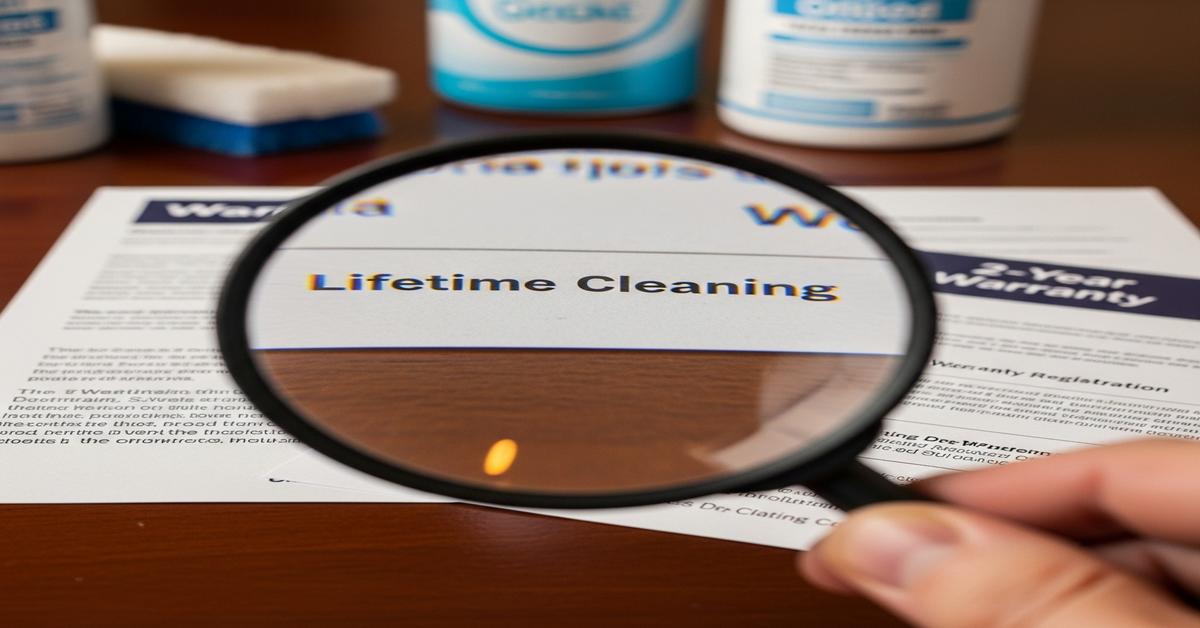
When you buy jewelry in the US you’ll see offers like “lifetime cleaning” and “2‑year warranty.” They sound similar but protect very different risks. One focuses on routine maintenance that keeps your piece looking and functioning well. The other addresses repair or replacement for manufacturing faults and sometimes accidental damage. Which one “protects you more” depends on what you need: prevention and appearance, or coverage against defects, breakage, or loss. Below I break down what each usually covers, common exclusions, real-world examples, and a practical checklist to compare offers at the store.
What “Lifetime Cleaning” usually means
Lifetime cleaning is primarily a maintenance program. Retailers and manufacturers offer it to keep metal and stones clean and to spot problems early. Typical services include:
- Ultrasonic cleaning and steam cleaning to remove dirt and oils that dull a diamond or gemstones. This restores brilliance but does not change stone quality.
- Polishing of metal surfaces to reduce visible scratches, often limited to minor cosmetic work.
- Rhodium plating for white gold—re‑coating the surface to restore the bright white finish. Many plans include this periodically; white gold typically needs re‑plating every 6–24 months depending on wear.
- Inspections to check prongs, settings, and solder joints. A jeweler may tighten loose stones or recommend repair before loss occurs.
Why this matters: dirt and worn prongs cause chips and stone loss. For example, a 0.50 ct round diamond in a 14k white gold four‑prong setting will look dull with buildup and is at risk if prongs thin. Regular cleaning and inspections can identify thinning prongs and let a jeweler re‑tuck or re‑tip them before a diamond falls out.
What a 2‑Year Warranty usually covers
A 2‑year warranty is a time‑limited contract that typically covers manufacturing defects and certain repairs. Common inclusions:
- Defects in workmanship, such as loose solder joints or mis-set stones that result from production.
- Replacement or repair of broken components if failure is judged to be a manufacturing fault.
- Sometimes coverage for plating or finish issues that appear within the warranty window.
Common exclusions: accidental damage (like bending a band), loss or theft, routine wear and tear, and damage caused by misuse. Many warranties require you to return the piece to the original retailer or an authorized service center. They may also require proof of purchase and routine maintenance records.
How the two interact in real situations
Consider two scenarios with the same ring: a 0.75 ct round diamond set in 18k white gold.
- If prongs wear thin over three years and the diamond falls out: a 2‑year warranty likely won’t cover it because the loss resulted from wear after the warranty expired. A lifetime cleaning plan that included yearly inspections might have identified worn prongs and led to an inexpensive repair before loss.
- If a solder joint broke after six months because it was poorly made: the 2‑year warranty should cover repair, because it’s a manufacturing defect. Cleaning programs don’t fix faulty construction by default.
- If the white gold loses its rhodium finish within a year: a lifetime cleaning program often re‑plates for free. A 2‑year warranty might cover a one‑time re‑plate, but policies vary.
Limitations and legal context in the US
Retail warranties are contractual. The Magnuson‑Moss Warranty Act requires written warranties to be clear, but it does not force retailers to offer broad coverage. State laws provide implied warranties under the Uniform Commercial Code (UCC), which protect against products that fail to be what they’re sold as—but implied warranties don’t replace explicit coverage for accidental loss.
Insurance is separate and often necessary. Warranties rarely cover theft or mysterious disappearance. For high‑value pieces (1.0 ct+ diamonds, colored stones, or platinum pieces), consider standalone jewelry insurance or a homeowners/renters floater. Those policies cover loss, theft, and many accidental damages that warranties exclude.
Practical checklist when choosing between or combining them
- Get written details: Ask for the exact scope—what’s included, excluded, and for how long.
- Service limits: Are inspections and cleanings unlimited? Is there a frequency limit (every 6 or 12 months)?
- Rhodium/plating rules: How many re‑platings are covered and at what intervals?
- Coverage for loose stones: Does the warranty pay for resetting or replacing lost stones? If so, is replacement with a similar grade or exact original required?
- Accidental damage and loss: Are these covered? If not, what insurance options do they recommend?
- Authorized repairs and shipping: Where must you send the piece? Who pays shipping and appraisal costs?
- Transferability: Is the warranty transferable if you sell or gift the jewelry?
- Costs after term: What are typical out‑of‑warranty repair prices or hourly labor rates?
Which protects you more?
Neither is strictly “better” in all cases. If your goal is to keep a piece looking new and to prevent stone loss, a robust lifetime cleaning and inspection plan gives the most practical protection. It addresses the primary cause of long‑term failures: wear and unnoticed loosening.
If your worry is replacement due to manufacturing faults or early breakage, a clear written warranty (2 years or longer) offers stronger protection. For loss, theft, or accidental catastrophic damage, neither plan replaces insurance.
Best practice: get both if possible. Use a lifetime maintenance program to prevent problems, and keep a written warranty to cover defects. For valuable pieces, add jewelry insurance for loss and major accidental damage. Always keep receipts, appraisals, and a record of maintenance visits; those speed repairs and insurance claims and help when warranty coverage is disputed.