Blog

Reels vs Still Photos: Which Sells More Fine Jewelry Online?

Choosing between Reels (short video) and still photos for selling fine jewelry online is not a binary decision. Each format shows diffe...
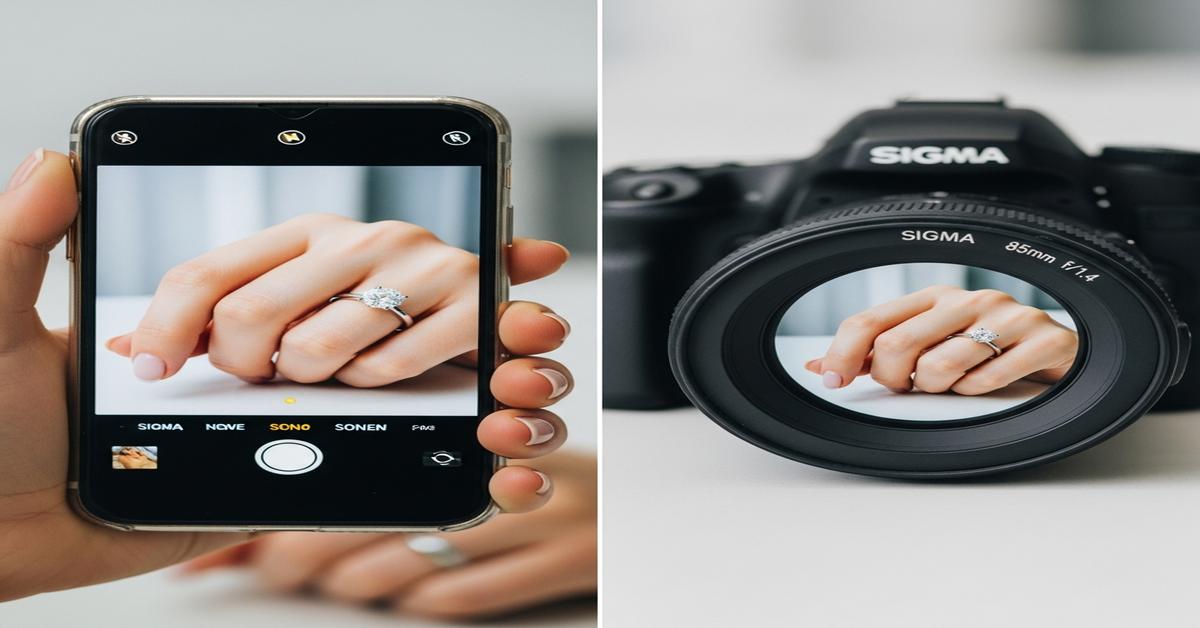
Phone vs DSLR: Which Makes Your Diamond Look Bigger on Instagram?
Instagram shrinks every photo and shows it on a phone screen. That means your diamond’s “size” on the feed is 90% about optics, angles,...
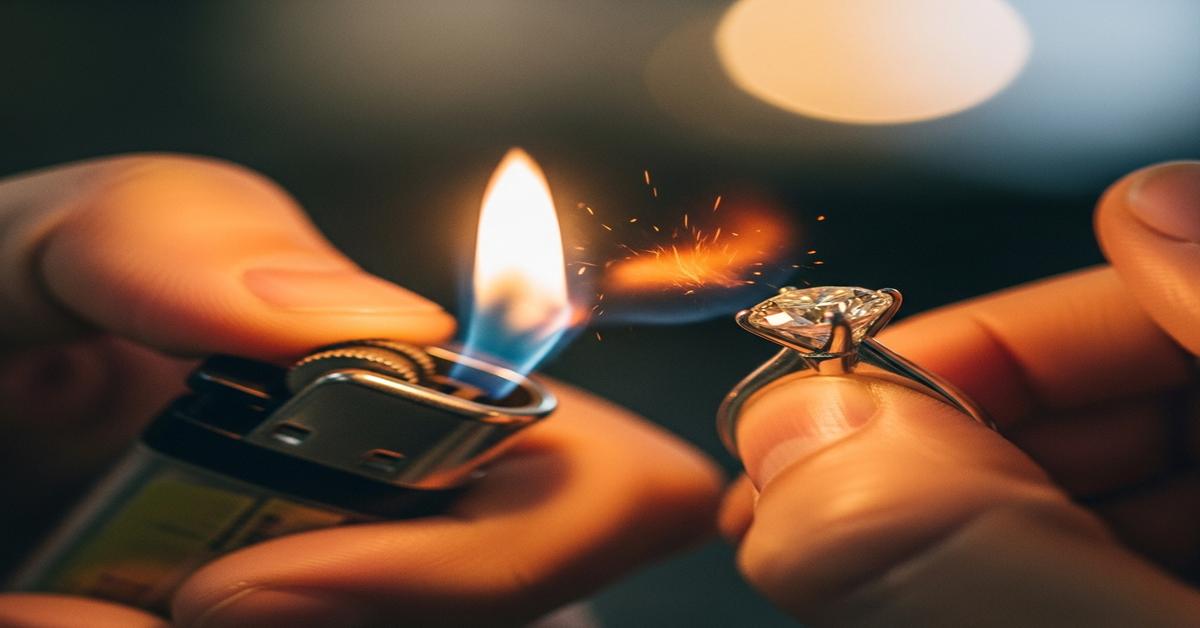
Lighter Test on Moissanite: Please Don’t—Here’s Why
Using a lighter to “test” moissanite looks simple on social media: hold a flame to the stone, and if it’s real, nothing bad happens. Pl...

Milk Test for Pearls: Cute or Useless? We Tried It
People love the “milk test” for pearls. Drop a pearl in a glass of milk and a real one should glow while a fake looks dull. It’s cute, ...
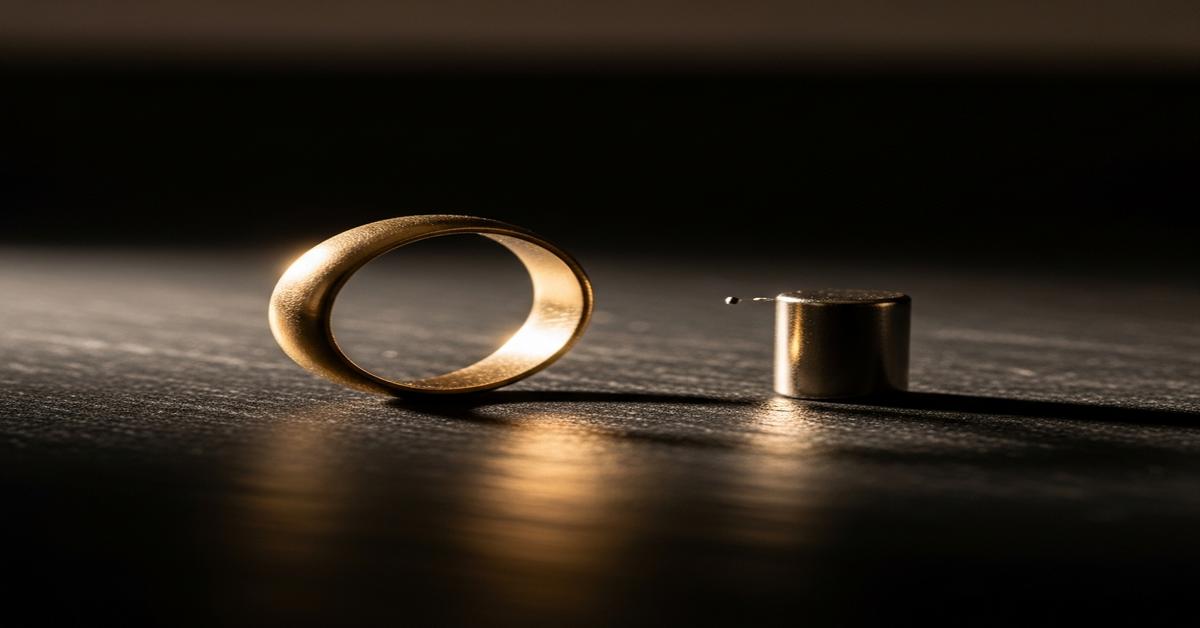
Magnet Test for Gold: Why TikTok Keeps Getting It Wrong
Short videos make the magnet test look like a magic trick: touch a magnet to your jewelry, and if it sticks, it’s “fake.” If it doesn’t...
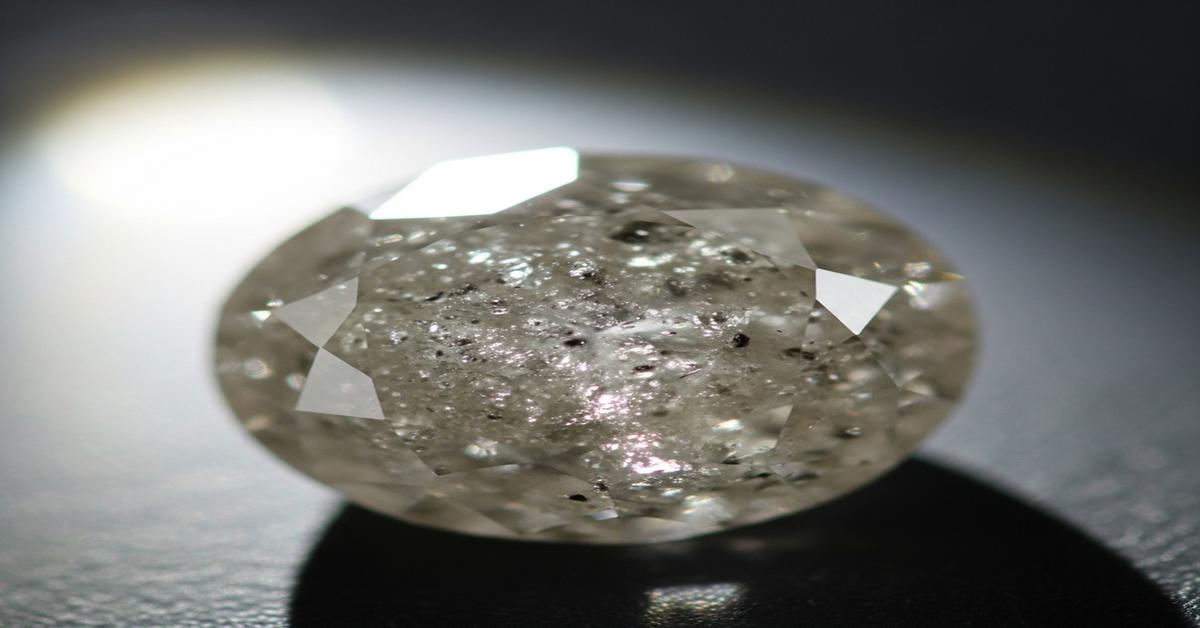
The “Frozen Spit” Myth: What Cloudy Diamonds Really Are (and When to Avoid)
People sometimes describe cloudy diamonds as if a mysterious film has frozen on the stone — the so-called "frozen spit" myth. In realit...
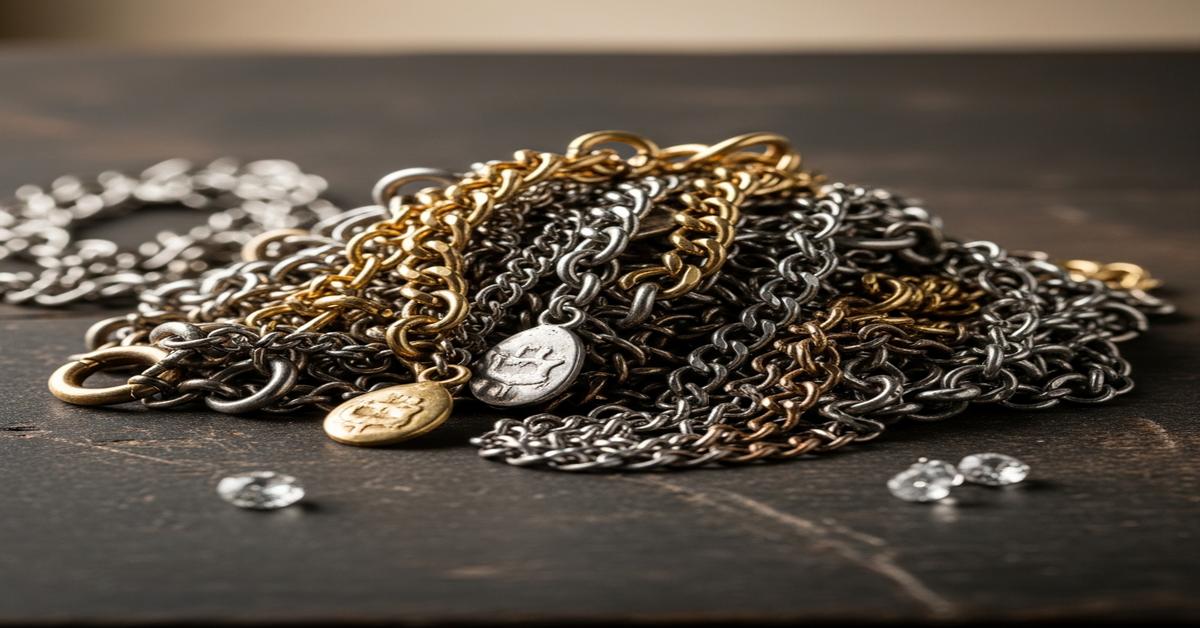
Precious Metal Scrap: What Your Old Chains Are Actually Worth
You may have a box of old chains, bracelets, or broken jewelry. They look worn but they still hold value. This article explains what th...
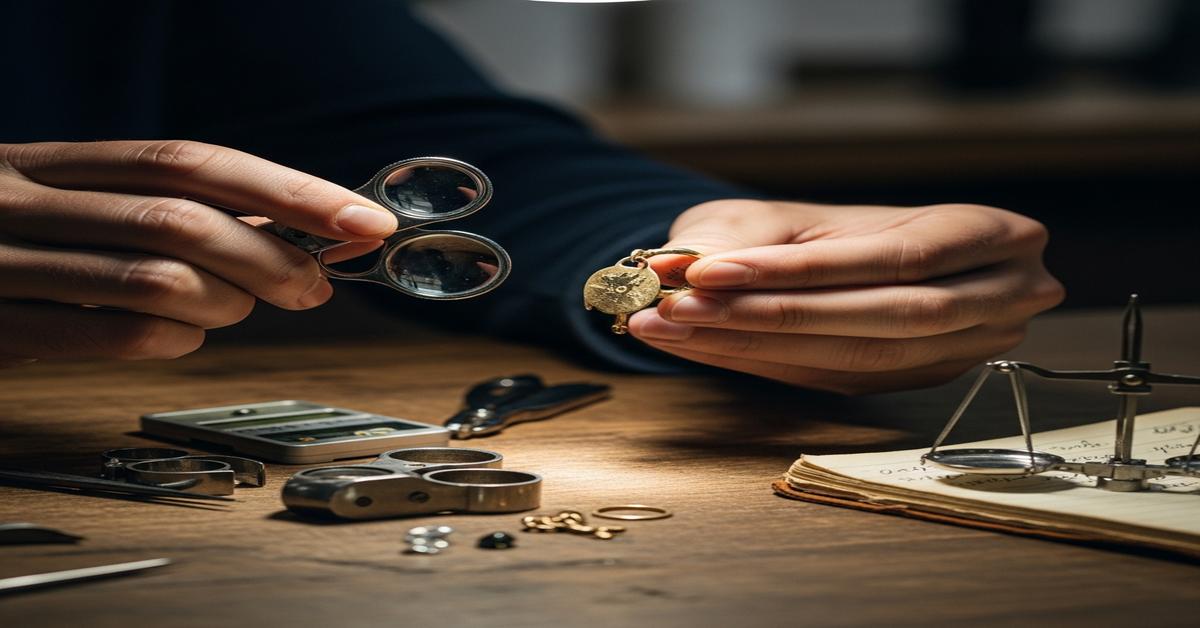
Sell-Back Stories: How US Jewelers Really Price Your Trade-In
When you walk into a jewelry store to trade in an old ring or necklace, the price they offer rarely matches the number on your original...
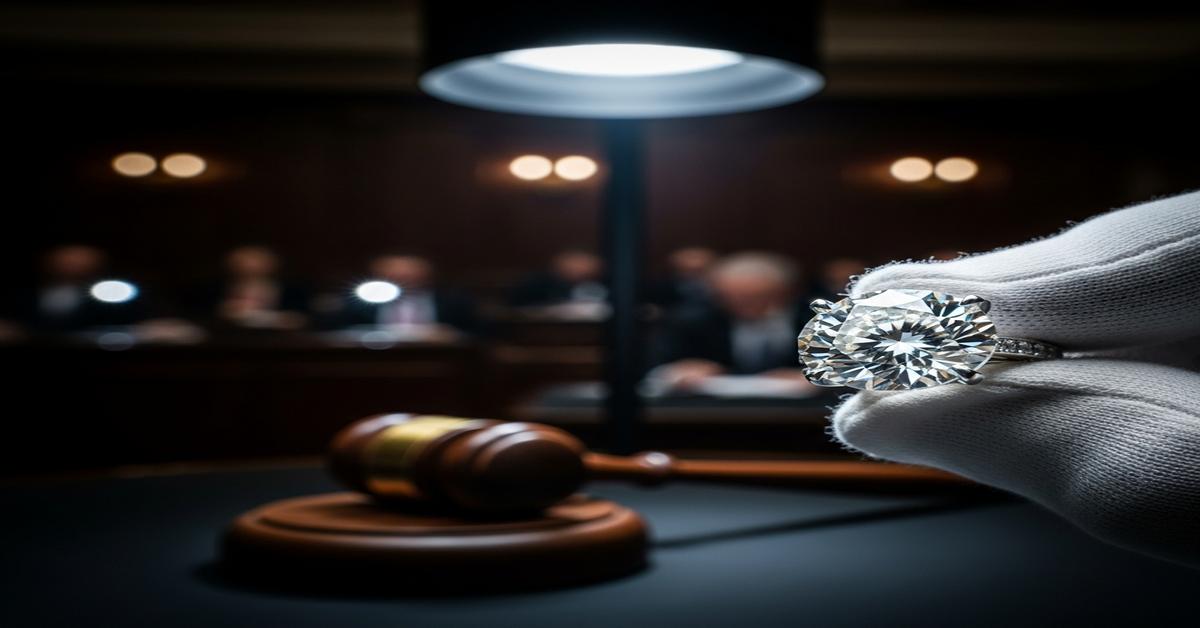
Auction Fever: Do Diamonds Really Go Cheaper Under the Hammer?
Auction Fever: Do Diamonds Really Go Cheaper Under the Hammer?
Auctions can feel intoxicating. A single lot, a crowd, a paddle, and the...
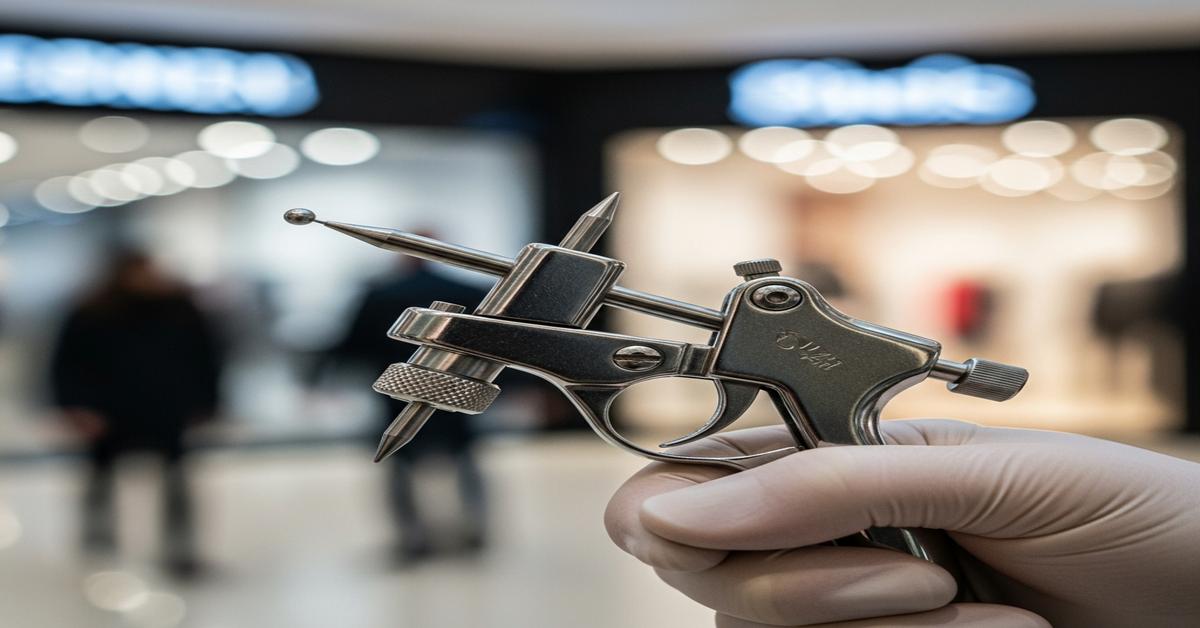
Piercing Guns in Malls: Safer Now—or Still a No?
Piercing guns in mall kiosks are familiar. Many parents choose them for quick ear piercings. Over the past decade manufacturers have ad...