Blog
Signature Required: The Delivery Setting That Saves Claims


Signature Required: The Delivery Setting That Saves Claims
Sending high-value jewelry is a risk. Stones can loosen, prongs can catch, packages can be lost or tampered with. The right “delivery setting” — a setting and shipping protocol built to survive transit — cuts those risks. This article explains what a delivery setting is, the specific design and material choices that reduce breakage and loss, and the shipping and documentation steps that make insurance claims unlikely and easier to win when they do occur.
What a delivery setting is and why it matters
A delivery setting is a temporary or reinforced finish used when a piece leaves the bench or showroom to travel. It’s not about looks. It’s about structural security. The goal is to keep stones seated and metal elements intact through bumps, pressure, and handling. Why this matters: most post-shipment claims are for lost stones and damaged heads. A delivery setting addresses those failure points directly.
Types of delivery settings and when to use them
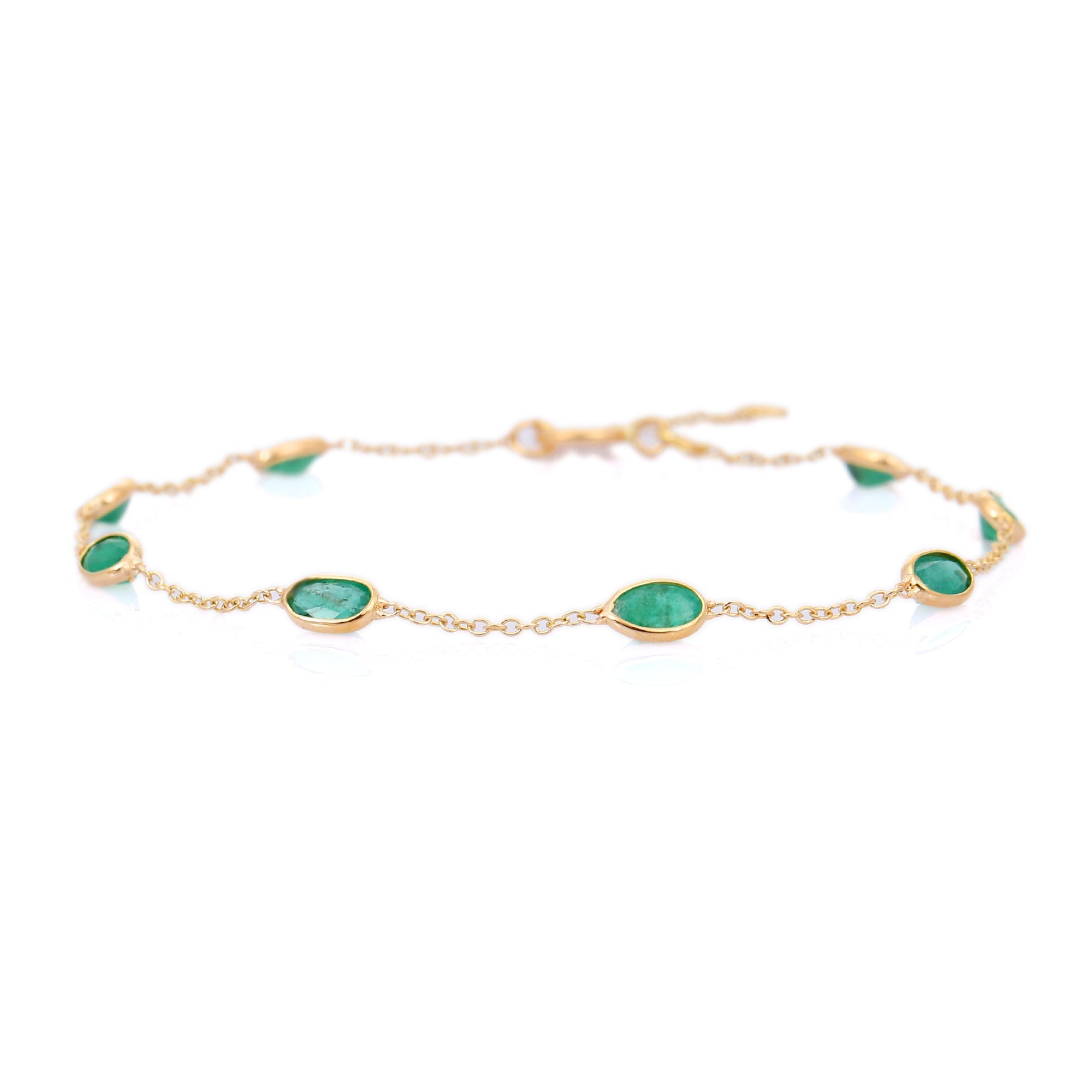
- Full bezel or collet: A continuous wall of metal around the girdle. Best for fragile stones, cabochons, and pieces headed for long transit. It prevents catching and spreads impact forces.
- Partial bezel / hem bezel: Covers vulnerable sides while leaving the face visible. Good when you need protection but still want the face shown to the client on delivery.
- Reinforced prong setting: Thicker prongs, additional prongs, or prong-welding for finished pieces. Use this for brilliant cuts and solitaires that will later be worn.
- Shipping collet or temporary cap: A removable metal cap or clip that holds the stone in place for transit. Use on loose stones and unset mounts.
- Avoid tension settings for shipment when possible: Tension settings rely on precise stress balance. Sharp knocks or flex during shipping can alter that balance and release the stone.
Design details that actually prevent claims
Generic “make it stronger” isn’t helpful. These are the measurable choices that reduce failures.
- Prong count and thickness: For round brilliants 0.25–0.75 ct, use four prongs ≥0.9 mm in 14k or platinum. For 1.0–2.0 ct, prefer six prongs or four prongs ≥1.1–1.2 mm, especially in 18k gold. More prongs distribute shock and lower the chance any one prong fails.
- Bezel wall thickness: 14k gold: 0.9–1.1 mm. 18k gold: 1.1–1.3 mm because 18k is softer. Platinum 950: 0.9–1.2 mm. Thicker walls resist denting and keep seats true.
- Seat geometry: Cut a proper stone seat that supports the girdle evenly. A flat or slightly concave seat prevents lateral movement. For fragile stones, add a micro-lip under the girdle to stop upward movement.
- Welded prong tips: After setting, cold-weld or laser-weld prong tips to the crown where applicable. This prevents crowns from fracturing off under shear loads.
- Backing for pointed stones: Use a V-prong or partial bezel at the corners for princess, marquise, or pear cuts. A V-shaped metal seat protects the point from direct impact.
- Shank reinforcement: For rings shipping in bulk or with heavy stones, thicken the shank at the head junction by 0.2–0.4 mm or add an under-bead. This prevents flex failure which can loosen stones.
Materials and alloy choices
Alloys matter. Choose them with strength and ductility in mind.
- Platinum 950: Strong and ductile. Excellent for secure settings and thin bezel walls. It resists fatigue and holds welds well.
- 14k gold (Au 58.5%): A good balance of hardness and workability. Use standard dimensions above for reliable strength.
- 18k gold (Au 75%): Softer. Increase wall and prong thickness by ~0.2 mm compared with 14k to get equivalent security.
- Hardness treatments: For certain yellow/rose gold alloys, consider hardening or heat treatments when appropriate. But know that excessive hardening can make the metal brittle and harder to repair in the field.
Shipping protocol that supports the setting
A robust delivery setting reduces risk, but shipping procedures close the loop. Follow these steps every time.
- Insure for full retail replacement value: Make sure the carrier policy covers replacement, not just declared value. Why: undervaluing increases out-of-pocket risk.
- Require signature upon delivery: Use Adult Signature Required or Restricted Delivery. Why: carriers accept more liability and a signed receipt provides proof the package arrived intact.
- Discrete, tamper-evident packaging: Plain outer box, inner black or grey padded box, tamper tape and numbered seals. Thieves target branded packaging.
- Movement restriction inside box: Use fitted foam cut to the piece so it cannot rotate or hit the sides. Even a well-set stone can be jarred loose by repeated movement.
- Track with multi-point scans: Choose carriers that provide scan timestamps at pickup, transit, and delivery. Scans build a chain of custody useful for claims.
Documentation that prevents and wins claims
When a loss occurs, the file wins or loses a claim. Create better files.
- Photograph and video: Take high-resolution photos of the piece from multiple angles and a short video showing the stone sitting in the seat. Include a ruler or mm gauge in frame for scale.
- Lab certificates and serials: Include GIA/AGS/IGI reports and record laser-inscribed serials. These tie the physical object to paperwork.
- Condition report: Note any pre-existing scratches, chips, or repair marks. Date and initial the report.
- Shipment manifest: List contents, weights, and declared values. Both shipper and carrier copies protect you.
Short examples — put the rules into practice
- 1.2 ct round solitaire in 18k yellow gold: Use six prongs at 1.2 mm thickness. Add a welded crown and photograph the seat. Ship in fitted foam, insured at retail, and require adult signature.
- Loose 3.0 ct sapphire being sent for setting: Use a shipping collet with a metal cap or bezel clamp. Wrap the collet assembly in microfoam, include the sapphire’s certificate, and choose a carrier with same-day pickup and tracking.
- Cabochon pendant in platinum: Full bezel at 1.0 mm wall thickness. Minimal external branding, tamper tape, insured and signature required on delivery.
Final checklist
- Choose bezel vs prong based on stone shape and fragility.
- Match metal thickness to alloy: 14k (0.9–1.1 mm), 18k (+0.2 mm), platinum (0.9–1.2 mm).
- Reinforce prongs, seats, and shanks. Weld prong tips when possible.
- Package to prevent movement. Use tamper-evident seals and plain outer boxes.
- Insure for full value and require signature delivery.
- Document with photos, video, certificates, and a condition report.
When styling and shipping are treated as one process, claims drop. The delivery setting protects the physical piece. Documentation and carrier protocols protect your business. Together they save money, time, and reputation.