Blog
USPS Registered vs FedEx Overnight: The Safest Way to Ship Diamonds

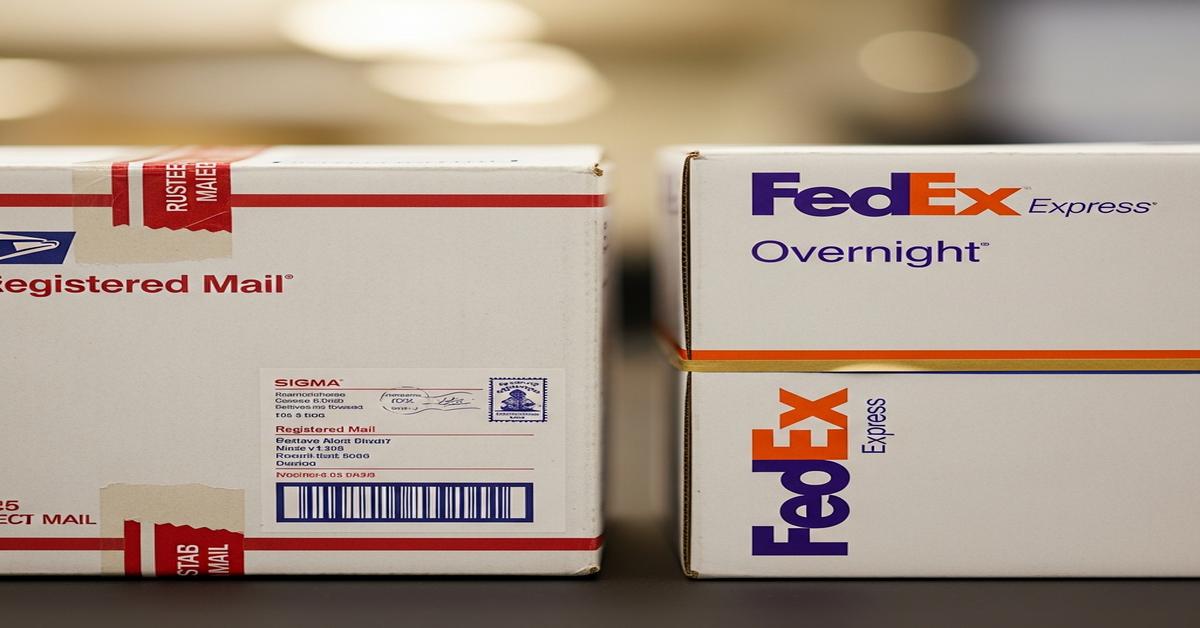
Shipping diamonds safely means controlling two risks: theft and loss. You want the fewest hands touching the package, clear proof of custody, and rock-solid insurance. USPS Registered Mail and FedEx Overnight approach those goals differently. Below I compare how each service protects a diamond, what they don’t cover, and the practical steps you should take so your shipment arrives intact and claimable.
How each service protects shipments
USPS Registered Mail focuses on physical security and a documented chain of custody. Packages are moved in locked containers, logged at each transfer, and often stored in safes at postal facilities. That reduces casual access and creates a paper trail showing exactly who handled the item. Registered Mail is slower because of the extra handling controls.
FedEx Overnight focuses on speed and electronic control. Overnight services (Priority or First Overnight) minimize time in transit, decreasing exposure. FedEx uses barcoded tracking, in-transit scanners, GPS for vehicles, and CCTV at hubs. You can require adult signature or hold-for-pickup at a FedEx location to avoid delivery to an unattended doorstep.
Chain of custody: why it matters
Chain of custody is the list of hands and locations a package passes through. A shorter, well-documented chain reduces theft risk and makes claims easier. Registered Mail gives you a long physical log and secure storage. FedEx gives you near real-time electronic scans and fewer hours in transit. For most losses, faster transit (FedEx overnight) and strong insurance beat slower but locked storage — because most thefts happen at the delivery or immediate transit stage.
Insurance and declared value
Carrier liability is not the same as insurance. Both carriers offer declared-value coverage, but limits and terms vary. Carrier payouts can be slow and subject to documentation requirements. For diamonds, get independent jewelry insurance whenever possible. An insurer that specializes in fine jewelry will pay based on an appraisal or invoice and will often handle the carrier claim for you.
- Before shipping: Photograph the diamond and mounting with a ruler or scale in the frame. Include close-ups of any laser inscription (GIA number) and the certificate.
- Documentation: Keep an appraisal and the original certificate. Provide copies to the insurer and retain originals at your office if you can.
- Declared value: Declare the full value with the carrier only if you understand their limits and claim process. Independent insurance is safer for higher values.
Packing and labeling — practical rules
Packing mistakes invite theft or damage. Follow these steps:
- Use a plain, non-descript outer box. Do not use logos or labels that suggest jewelry or high value.
- Place the diamond in a padded inner container or jewelry box. Wrap the inner box in non-reflective, tamper-evident material or multiple layers so the shape and weight are concealed.
- Fill voids with soft, non-rusting filler. Avoid metal clips or heavy hardware that hint at value.
- Seal with tamper-evident tape and document the tape’s serial number or pattern in photos.
- Do not include the appraisal or original certificate inside the package unless instructed by your insurer. If you must include paperwork, hide it within ordinary-looking packing material or send it separately by a different service.
Delivery options and controls
How and where the package is delivered matters as much as how it’s packed.
- Require adult signature: For both USPS and FedEx, require a direct signature. This prevents doorstep drop-offs.
- Hold for pickup: Having the recipient pick up at a Post Office or a FedEx location reduces delivery risk. Both services allow this; for very high values, use the carrier’s customer counter or a staffed service center.
- Specific delivery times: FedEx Overnight can deliver early the next business day, reducing exposure. USPS Registered will likely take longer and can be subject to postal routing delays.
Claims and dispute handling
If something goes wrong, your ability to prove value and custody wins the claim.
- Keep timestamped photos and scan logs. For FedEx, download the tracking history showing scans and delivery. For USPS Registered, keep the receipt and the recorded chain-of-custody entries.
- File claims immediately and provide the insurer with the certificate, appraisal, and photos. Expect both the carrier and insurer to request proof of value and proof of shipment condition before loss.
- Third-party jewelers’ insurance often expedites payouts for replacements. Carriers can limit liability or deny claims for improper packing or incorrect paperwork.
When to use FedEx Overnight
Choose FedEx Overnight when speed matters and you can require controlled delivery. It is the best option for high-value items that need minimal time in transit and where you can arrange an in-person handoff (hold-for-pickup or adult signature). Pair FedEx with specialized jewelry insurance, and the combination reduces both the chance of loss and the pain of recovering value if something happens.
When to use USPS Registered Mail
Choose USPS Registered Mail when a documented physical chain of custody and locked storage at postal facilities are the priority. Registered Mail is a good fit for shipments where you accept slower delivery in exchange for rigid access controls and logged handling. For extremely high-value single items—think million-dollar stones—Registered Mail can be an element of a layered security approach, but it should not be the only protection.
Final checklist before you ship
- Decide on carrier based on value and speed needs: FedEx Overnight for speed and controlled electronic tracking; USPS Registered for maximum physical custody logs.
- Buy independent jewelry insurance that covers transit and replacement value.
- Photograph item with certificate and scale, note any laser inscription or serial number.
- Pack plain, double-boxed, tamper-evident, and non-descript.
- Require adult signature or hold-for-pickup. Don’t allow unattended delivery.
- Retain receipts, tracking logs, and all paperwork. File claims immediately if needed.
In short: for most jewelry professionals and consumers shipping diamonds domestically, FedEx Overnight plus specialized insurance gives the best balance of low exposure and strong recovery. Use USPS Registered when you need the extra physical custody record or when carrier policy makes it the better option for a particular route. For ultra-high values, hire a bonded, insured courier or arrange a trusted hand-carry solution.